
Yapay Zeka
What Google has teased about Gemini 4
In the past week, Google has teased quite a bit about Gemini 4, as 3.5 Pro missed its June launch.
In the past week, Google has teased quite a bit about Gemini 4, as 3.5 Pro missed its June launch.

Anthropic says its Claude Opus 5 AI model is an improvement that takes less effort to deliver similar results as…
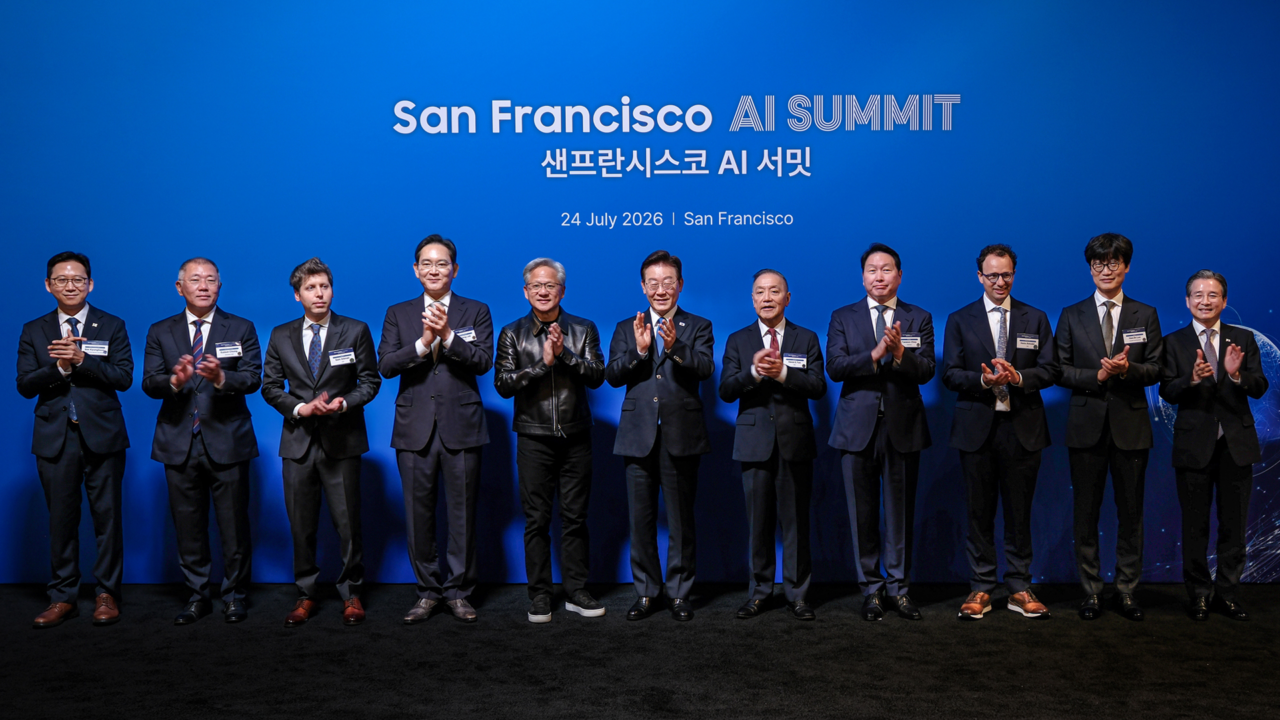
At this week’s AI Summit in San Francisco, South Korean President Jae Myung Lee and some of the country’s top business leaders and researchers are meeting with NVIDIA and ecosystem partners to chart Korea’s AI progress.
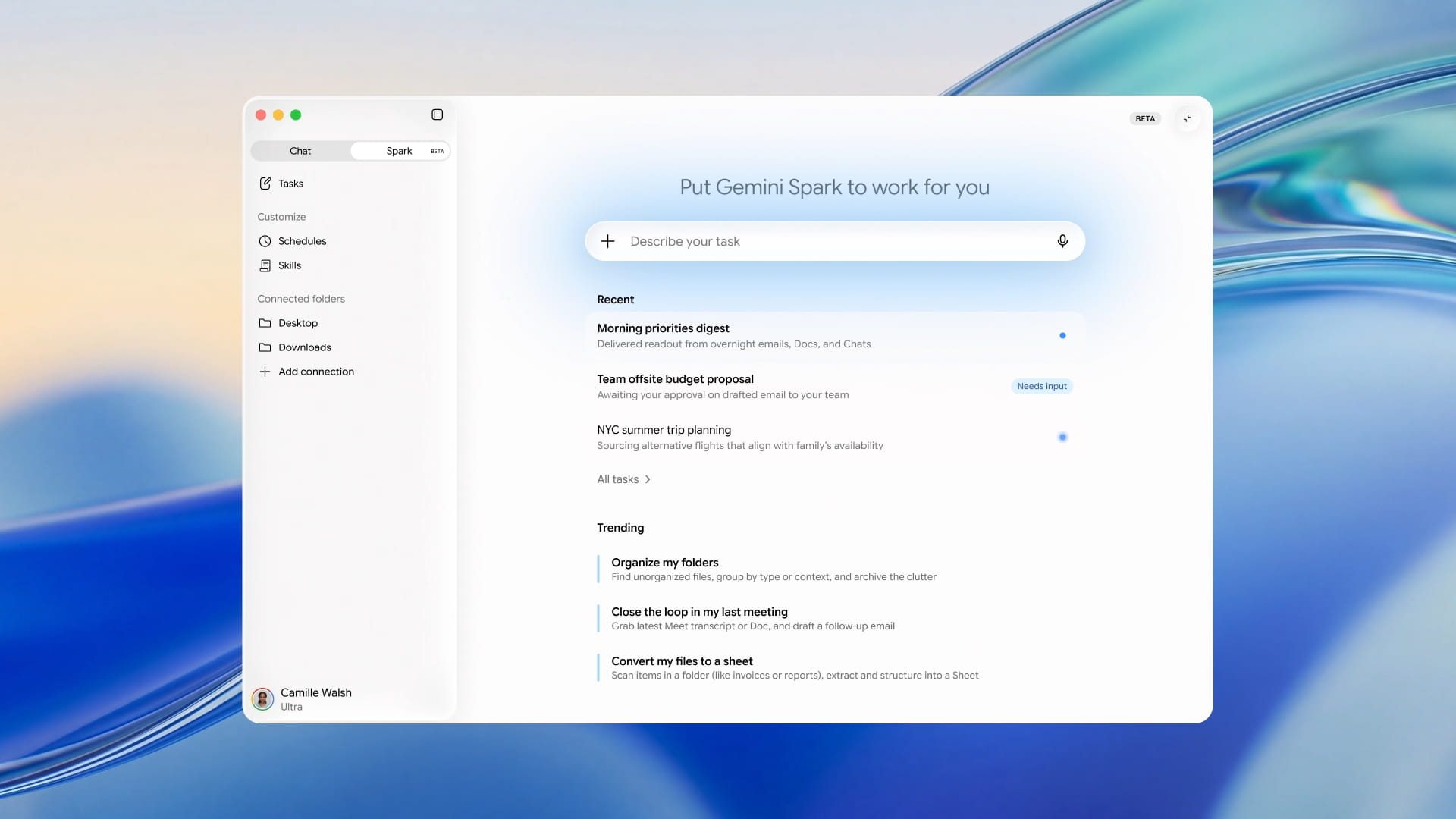
After launching in May with AI Ultra, Gemini Spark is now rolling out to Google AI Pro subscribers in the…

Designing and developing a new medicine is an expensive, failure-prone scientific challenge. A new drug can take many years to develop, at the cost of a significant investment. And even then, most possible candidates never reach the patient.
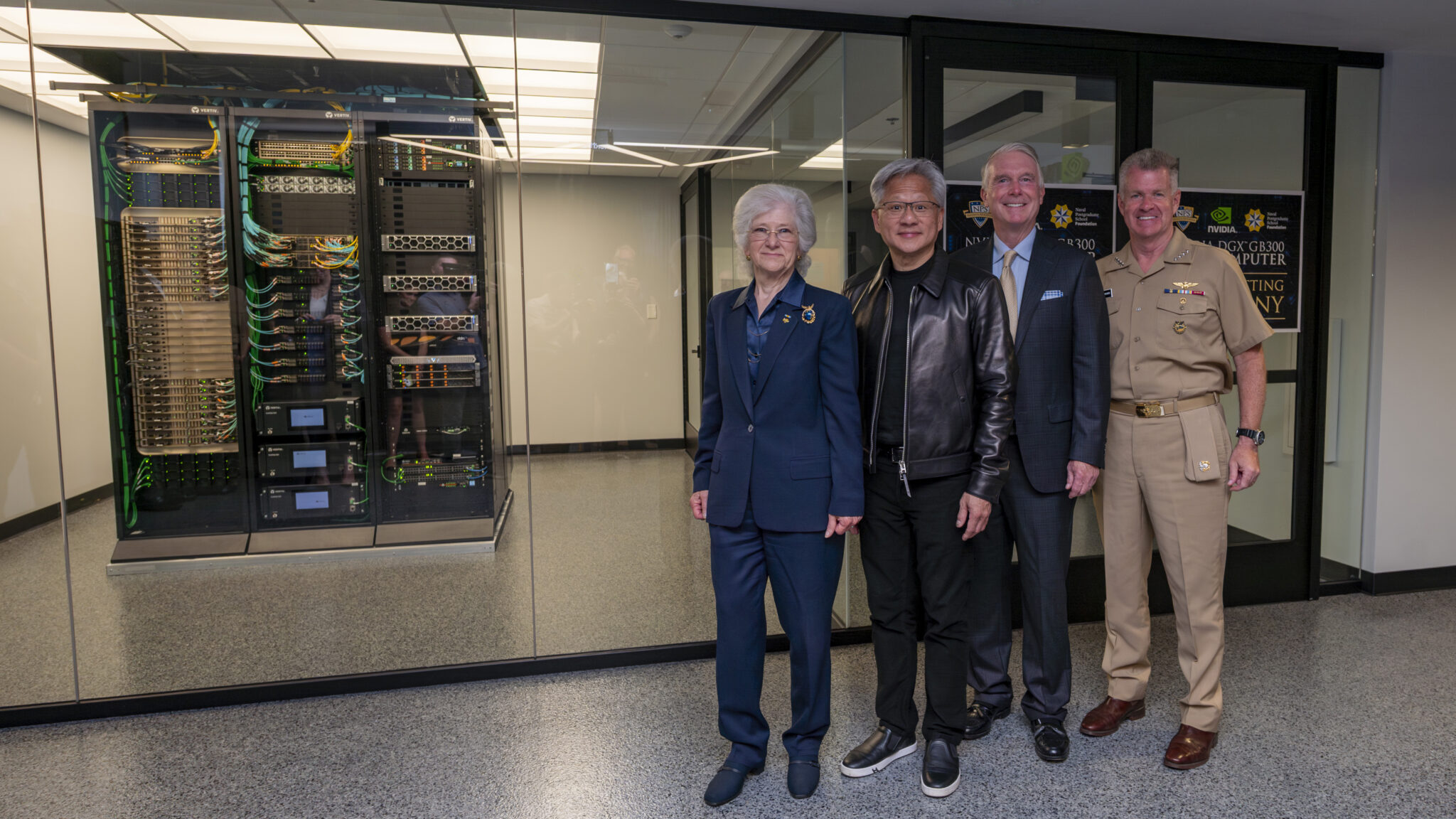
NVIDIA founder and CEO Jensen Huang today visited the Naval Postgraduate School in Monterey, California, to commission an NVIDIA DGX GB300 system — bringing one of the world’s most powerful AI platforms fully online for the students, researchers and faculty at the U.S.

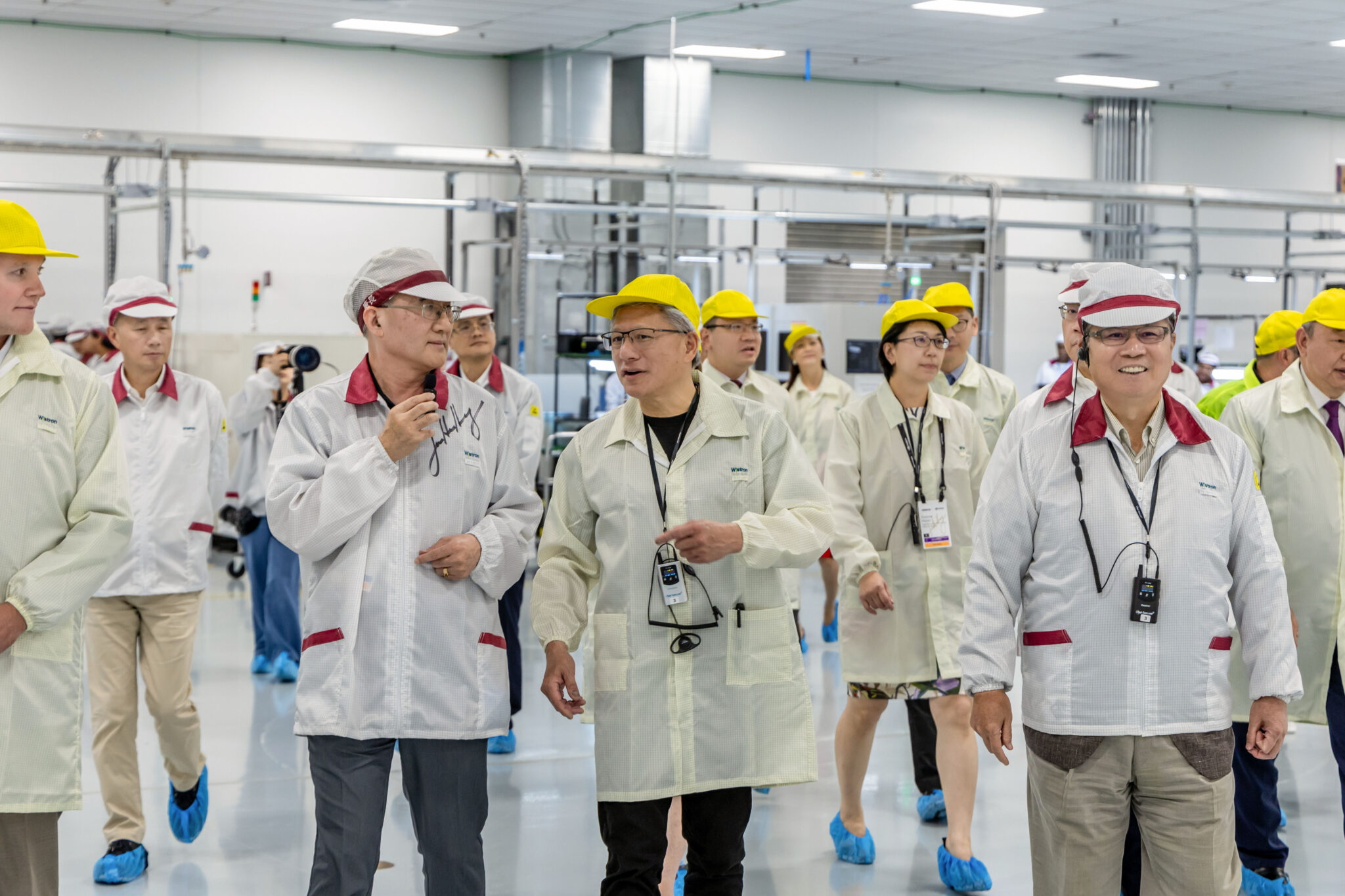
The AI era runs on AI infrastructure. Many of these advanced systems are built and tested in Texas. Wistron opened its first U.S. manufacturing facility today in Fort Worth — a 324,000-square-foot greenfield plant producing superchips at the heart of some of the world’s most capable AI systems.
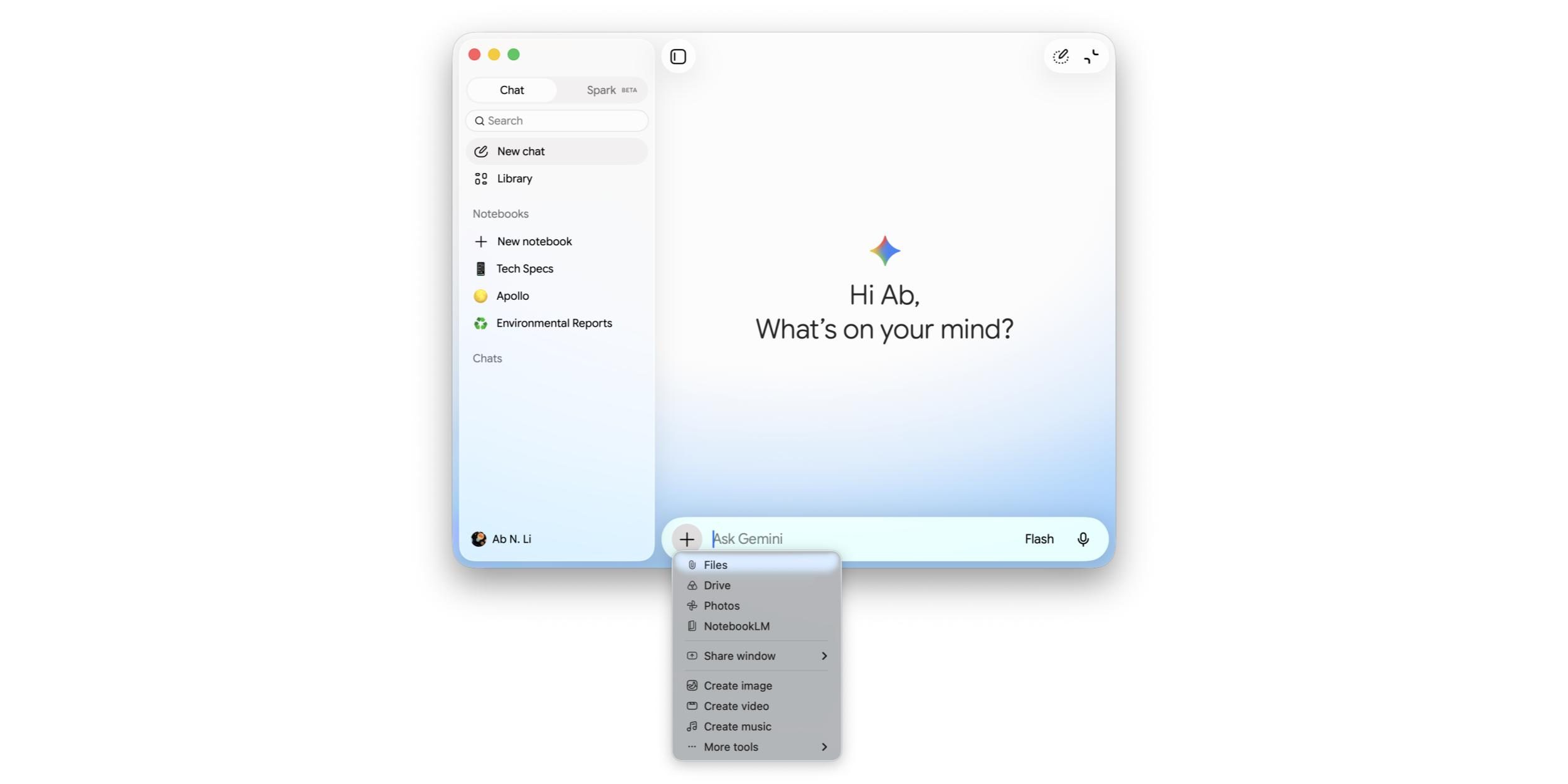
In addition to 3.6 Flash, Google today is also updating Gemini for macOS with the Neural Expressive redesign.

AI has entered the gigascale era. The world’s most advanced AI factories are bringing together hundreds of thousands of GPUs and CPUs to train frontier models, power agentic AI and generate intelligence at unprecedented scale.

The conversation about AI often centers on algorithms, computing power, or huge investments in new semiconductor fabrication plants and hyperscale data centers. But beneath each of these advances is another layer of innovation that makes them possible: advanced materials.


This story originally appeared in The Algorithm, our weekly newsletter on AI. To get stories like this in your inbox first, sign up here. Over the weekend, several current and former advisors to President Donald Trump on AI publicly lobbed insults at the country’s leading AI companies.
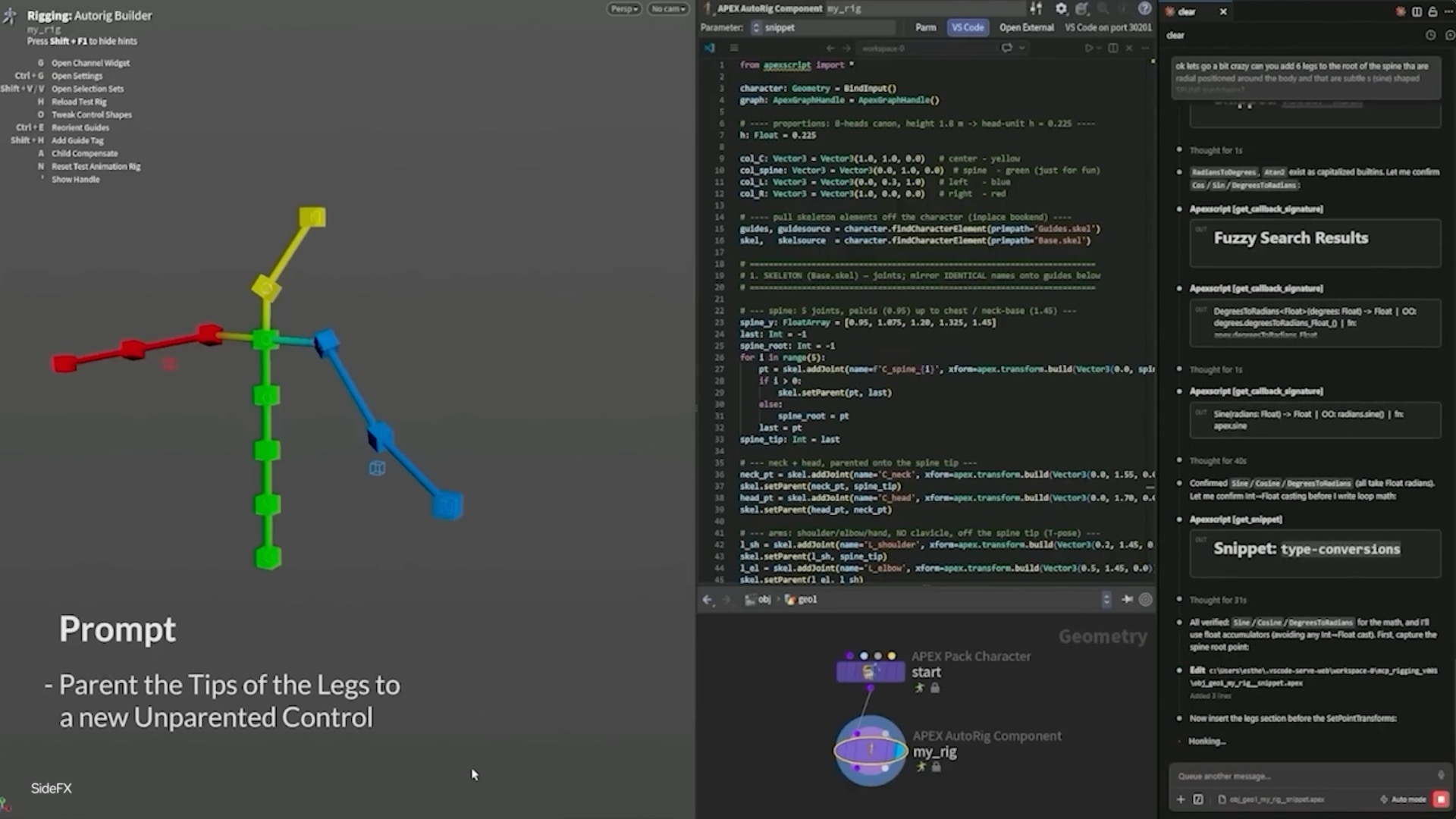
From open models to real-time simulation, AI and graphics breakthroughs are transforming media, content creation and robotics.
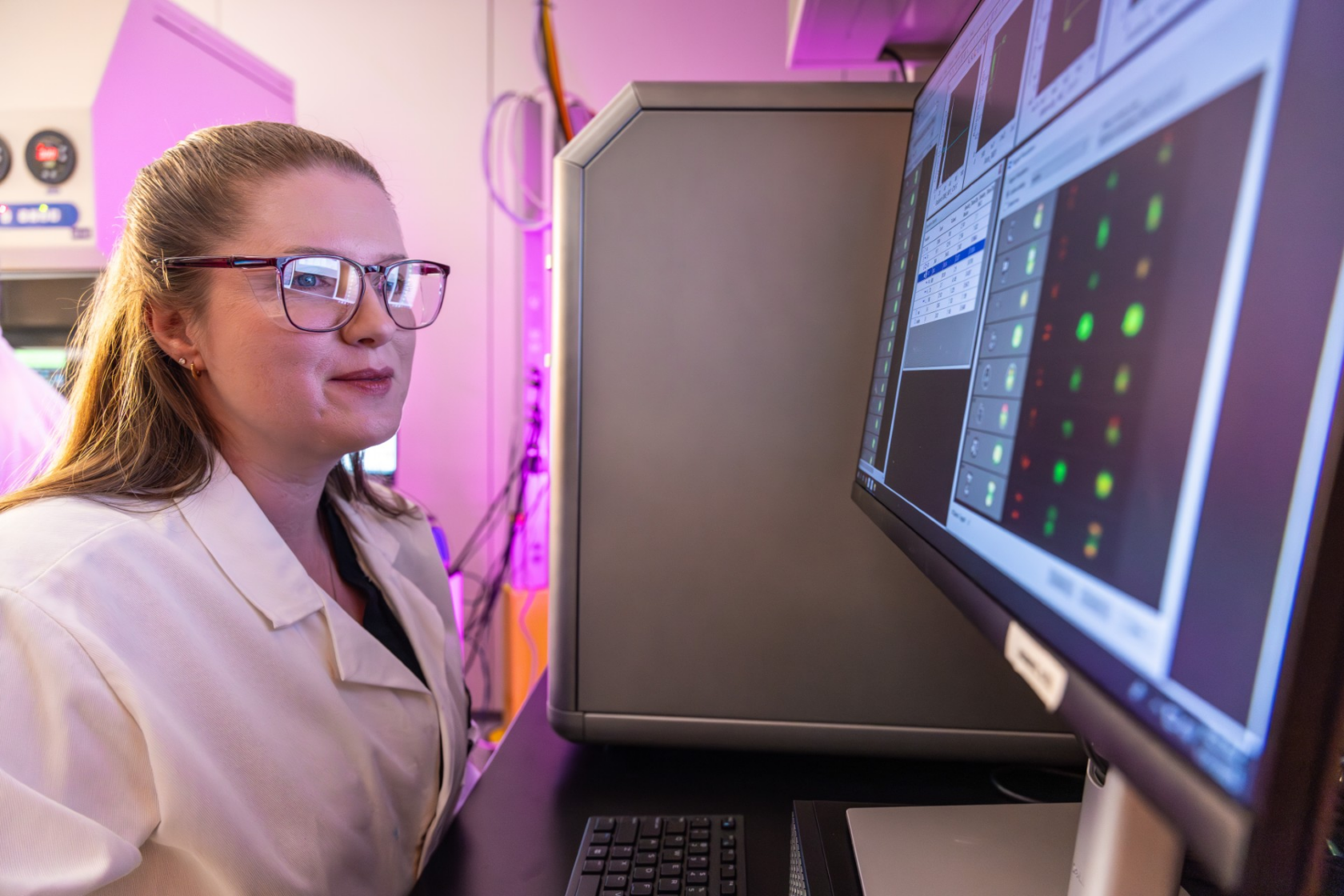
Erin Davis calls it the “SuperDuperPOD.” That’s two things in one name: pharmaceutical giant Bristol Myers Squibb (BMS) already runs one of the largest AI clusters in life sciences, with serious results to show for it. And they’re doubling down.

The next time you apply for a job, AI may screen your résumé before any human sees it. But there’s good reason to question whether AI will judge you fairly. Researchers already know that LLMs pick up human biases from their training data.
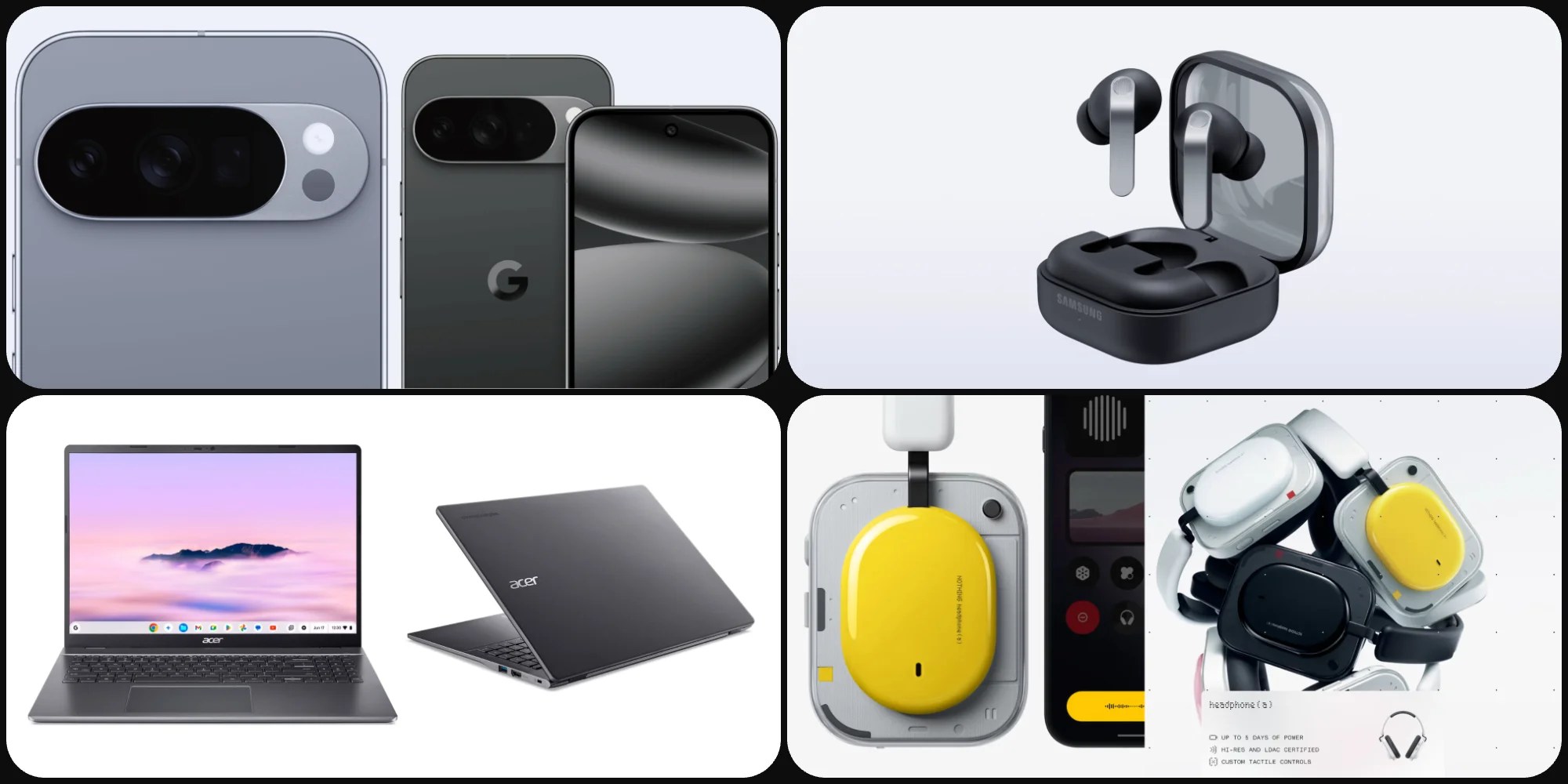
You can still land $300 price drops on Google Pixel 10 Pro and this rare deal on Google Pixel Flex Dual…

Lowest cost per token from extreme codesign maximizes intelligence per dollar for post-training in the agentic era.

Every morning, airline dispatchers, grid operators, and farmers around the world make decisions based on the same thing: a weather forecast.


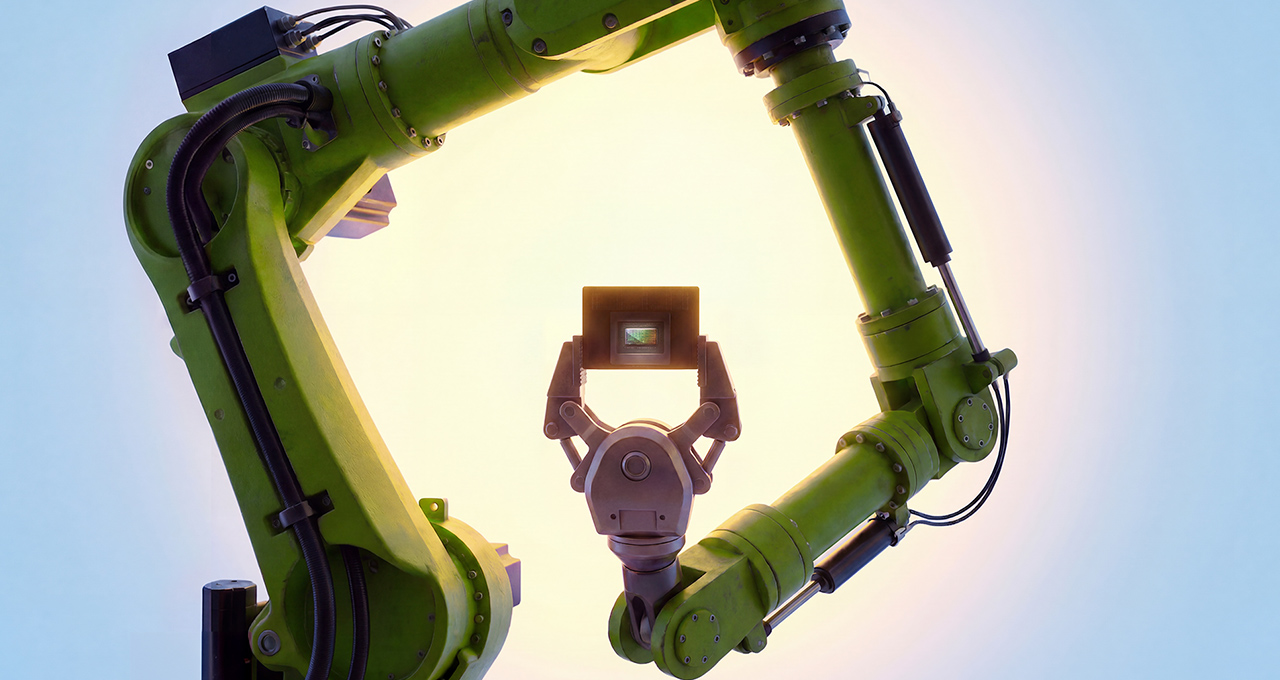
General-purpose robots and autonomous machines are moving from research labs to real-world mass-market deployment, creating demand for compact, power-efficient AI supercomputers capable of running foundation models at the edge.

OpenAI has built an LLM super-hacker called GPT-Red that it uses as a sparring partner to help its other models boost their defenses against cyberattacks. Last week the company released the latest version of its flagship LLM, GPT-5.6.
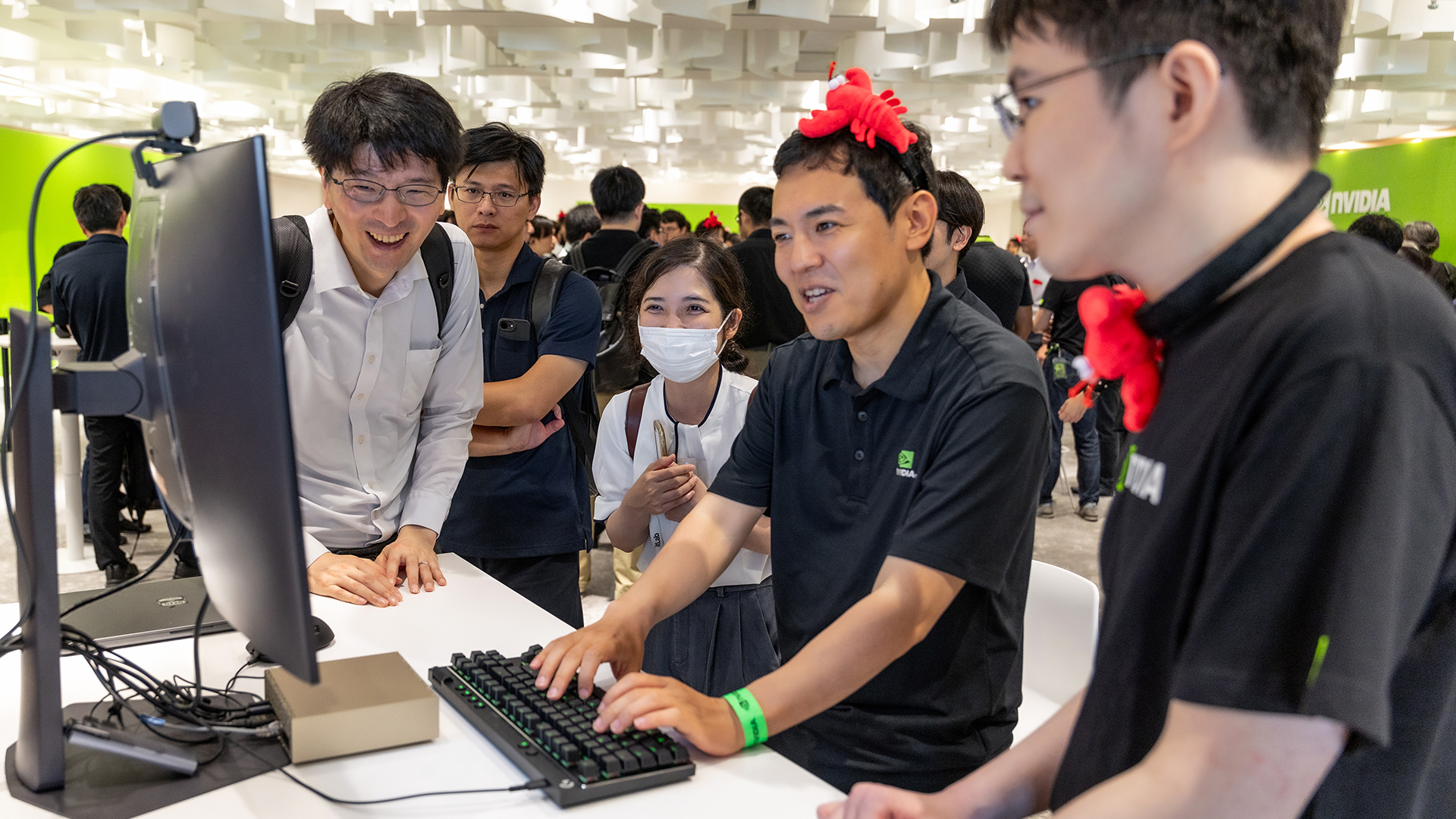
Home to leading manufacturers, robotics pioneers, infrastructure builders and iconic gaming companies, of course, Japan is one of the world’s centers of AI — building across the full stack with NVIDIA technologies.
72 aktif kaynak
27 Türkçe · 45 İngilizce
Tüm kaynaklar