


Siber Güvenlik
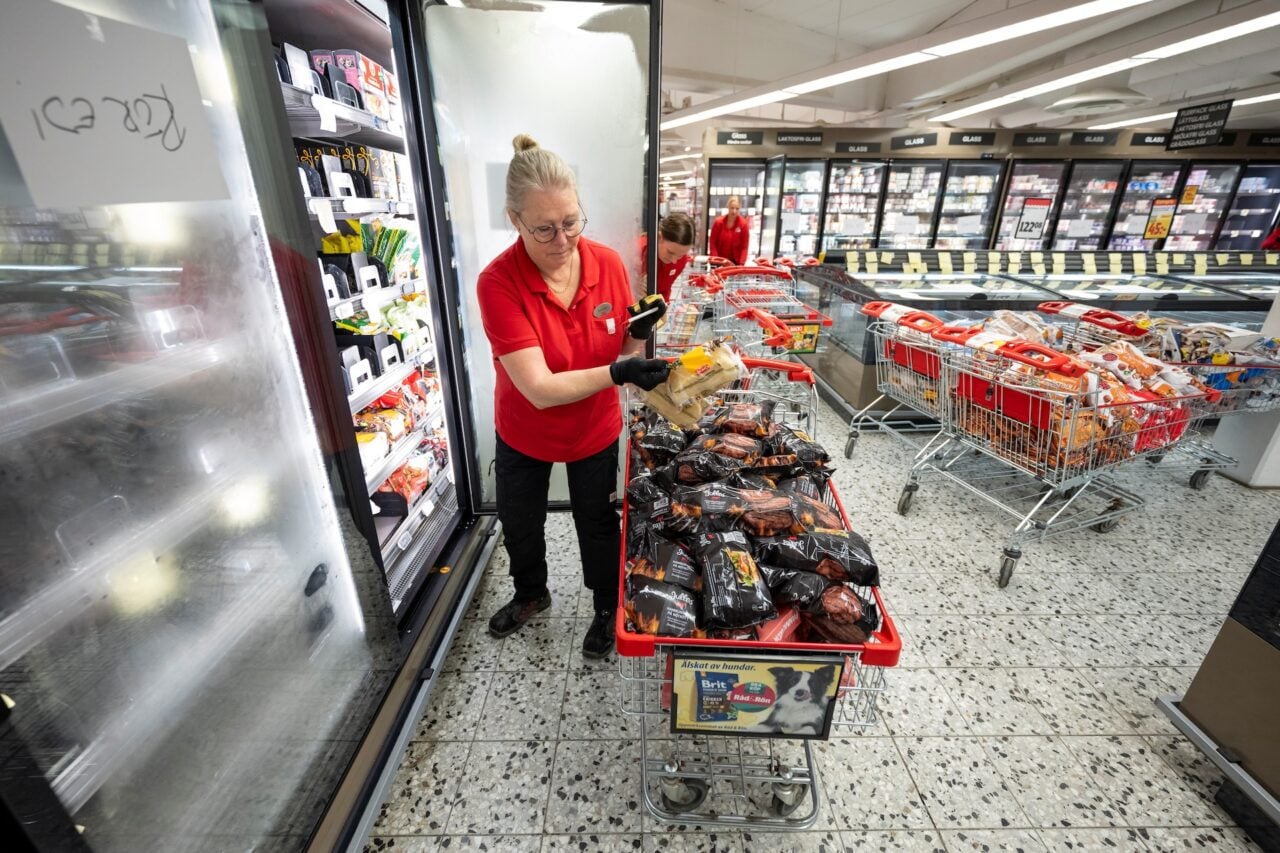
Supermarket Freezers Across Europe Hit With Another Cyberattack
The refrigerations systems were cranked up to 122 degrees Fahrenheit in at least half a dozen countries.
The refrigerations systems were cranked up to 122 degrees Fahrenheit in at least half a dozen countries.

Dozens of shops across European countries have been hit by a cyber-attack affecting their fridges.
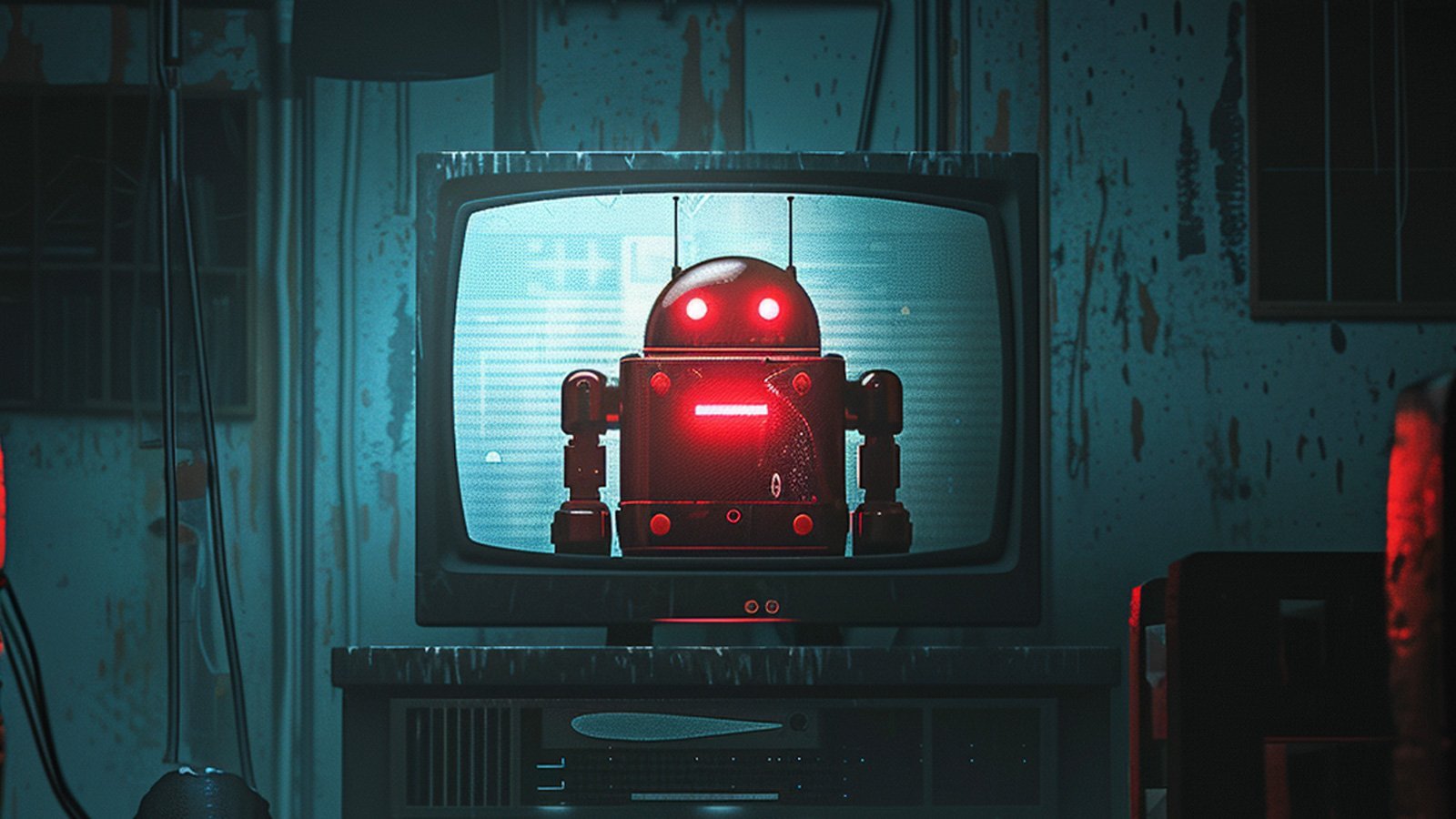
Google and industry partners have dismantled the XCPE malware botnet consisting of more than 1.3 million Android TV streaming TV boxes that Google says its manufacturer intentionally infected with malware to generate revenue through cybercrime activities.

The FBI has also called on DeFi protocols to block transactions linked to North Korean hackers.
The spyware attacks were first reported on October 30 by cybersecurity researcher Costin Raiu, who noted that they were unrelated to the previous round of incidents, for which Apple issued alerts in August.
Sifting through a mountain of data is tedious work - so why not let AI do it for you?

Some attacks this week didn’t need much of a trick. A fake support call, a trusted extension, a shared link, or a device with no password. Small things that people barely think about. Yet each was enough to cause serious trouble. Then there were the bigger messes.
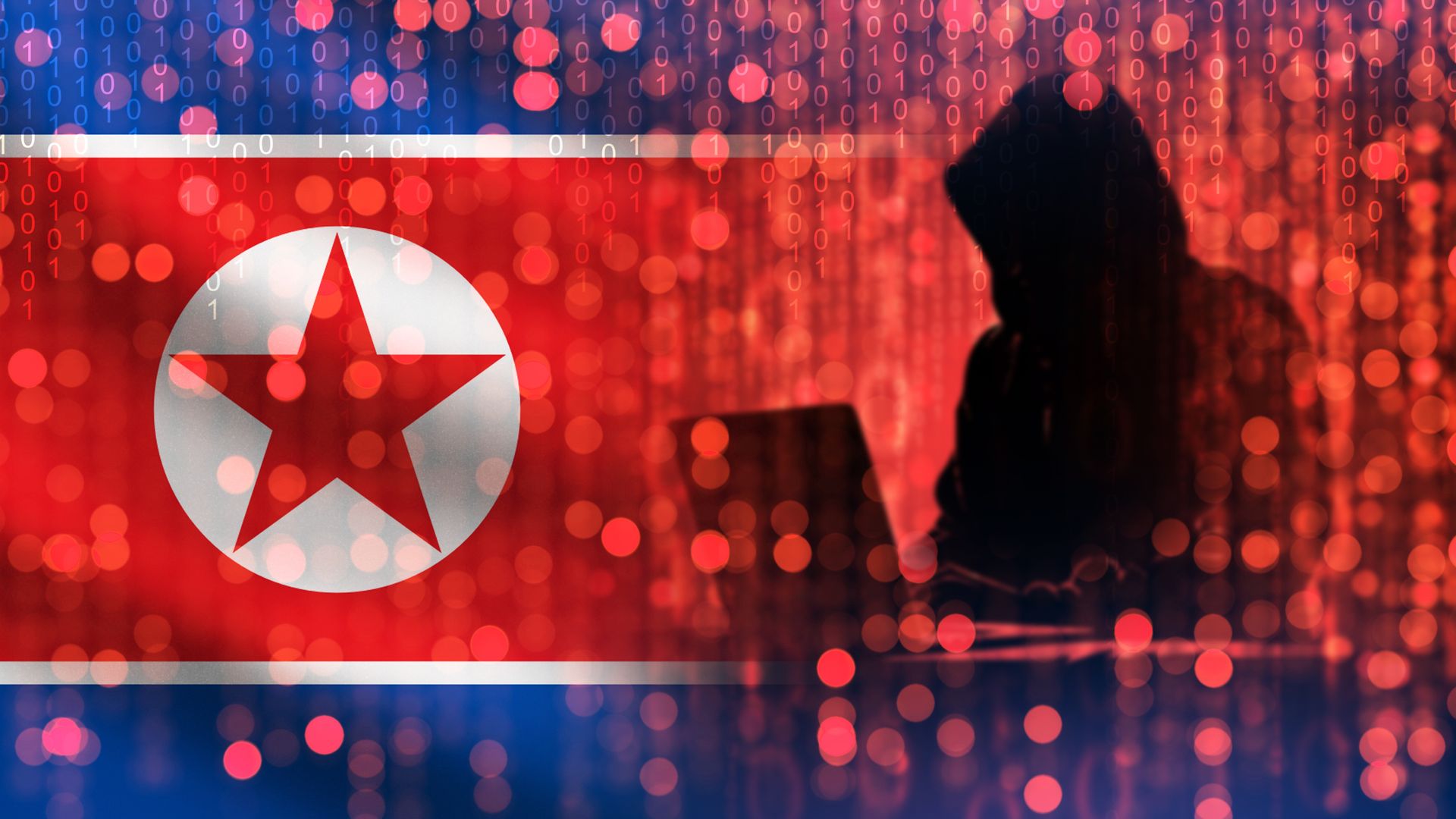
TraderTraitor is now officially accused of the attack that cost Binance north of $6 billion.
FastestVPN, which scored 4 stars in our review, has started bundling a free lifetime family password manager with its VPN.
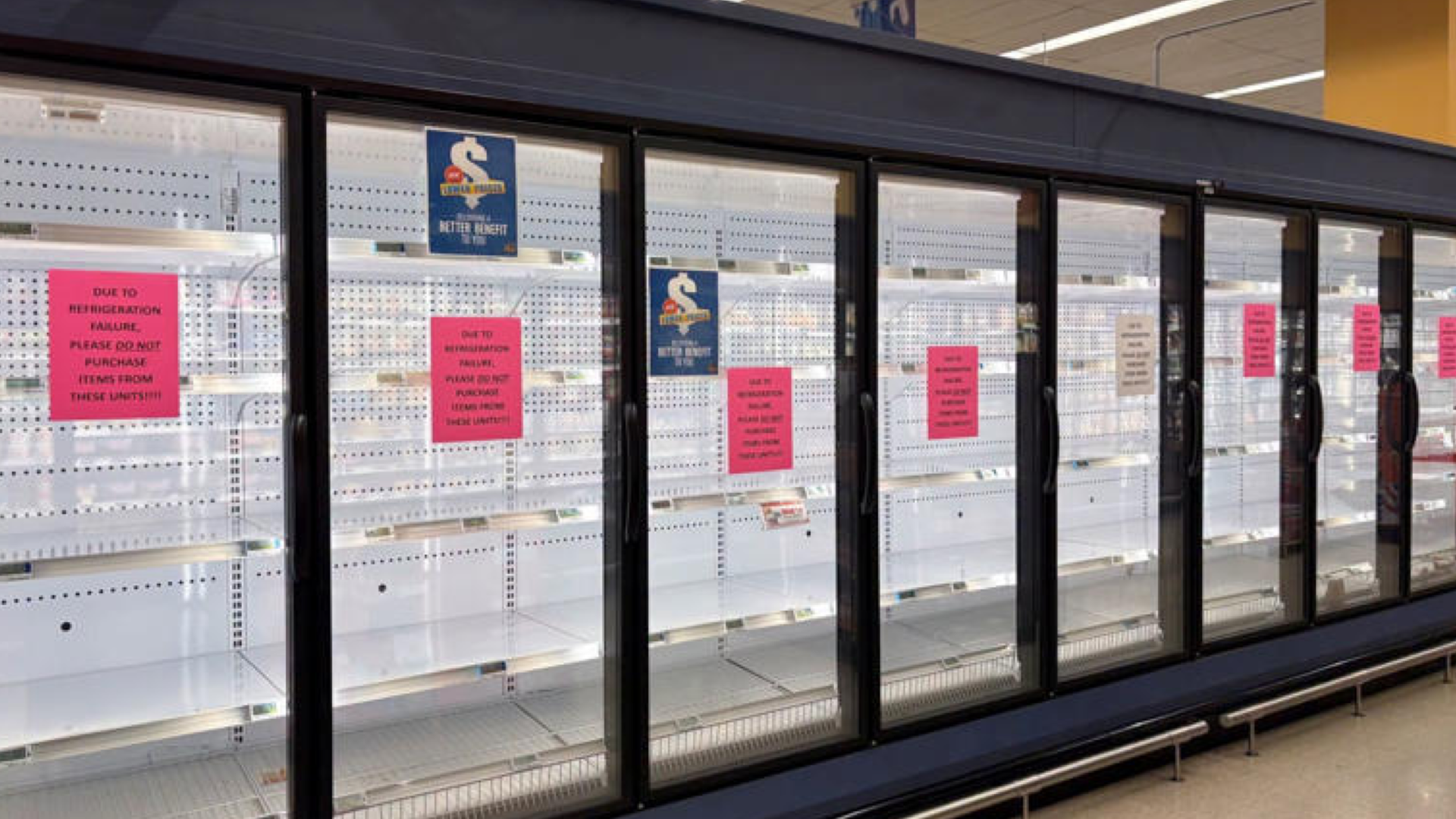
More suspected cyberattacks have targeted supermarkets across Europe, with the same M.O. as before: upping the temperatures to spoil the food.
The maintainer of BTCPay Server, an open-source cryptocurrency payment processor, has urged users to install the latest version as hackers have been draining “hot wallets” on instances running older versions.
A researcher found hardcoded credentials in Applebee’s mobile app, granting access to a treasure trove of PII.

Significant cybersecurity deals were announced by Absolute Security, Aikido, Anthropic, Cohere, Hex-Rays, and Proofpoint.
Mobile carriers can retain years of call and text metadata, exposing sensitive details about customers’ relationships, locations, and daily routines if breached.

Cybersecurity researchers have disclosed details of a cyber espionage campaign targeting Israel and the Kurdistan Region of Iraq by an Iran state-aligned threat actor between August and October 2026.

The Florida Department of Education says SSNs and other personal data may have been exposed in a breach of its financial aid website.

A cyberattack on refrigeration systems has disrupted stores run by multiple supermarket chains across several European countries after hackers remotely changed temperature settings on freezers and cooling systems.

This is the second wave of cyberattacks to hit supermarket refrigerators in a month, spoiling food and disrupting supplies.
Organizations in the region face attacks from the known India-linked threat group, which leverages legitimate Windows functionality in three distinct attack chains.
Hackers accessed its online shopping platform and stole customers’ personal and payment card information.
The top payout is for high-impact architectural research demonstrating full administrative control.
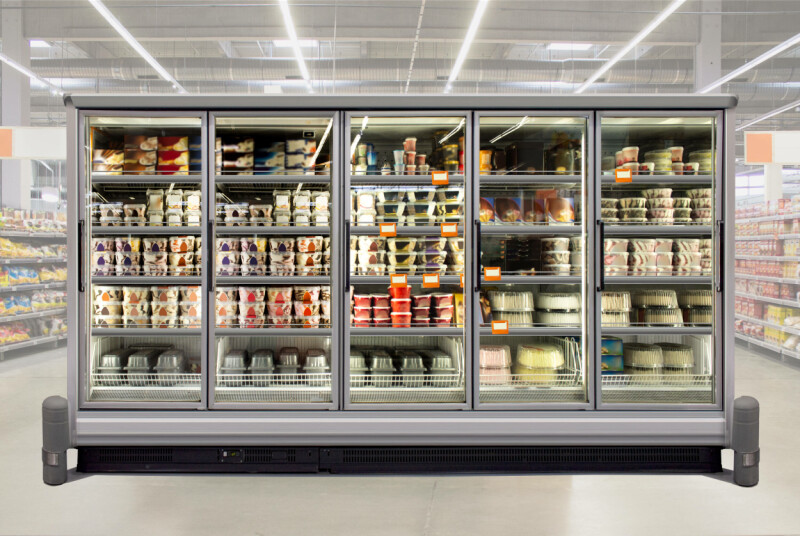
Let it go (bad): Dozens of stores report mass food wastage as managers start their week in puddles

Grocery stores across Europe have been hit by another wave of suspected cyberattacks, reporting sudden changes in the temperatures of their fridges and freezers.

Only in 2026 could you learn potentially major spoilers about ‘The Batman Part II’ through someone’s Halloween costume. Incredible.


Tom's Hardware


65 aktif kaynak
20 Türkçe · 45 İngilizce
Tüm kaynaklar


