OpenAI’s quarterly revenue reportedly hits $10bn as its losses grow
OpenAI’s revenue reached $10bn in the third quarter, up almost 50% from the second, The Information reported. OpenAI shared the figures with investors on Tuesday.
SpaceX plans to spend $74B on two AI supercomputing sites: a $50B campus in Cochise County, Arizona, and a $24B site with its own gas power plant near Starbase, Texas. It now sells computing power to Anthropic and Google, but faces local pushback in Arizona.
Paris-based Orakl Oncology has raised a $34M Series A co-led by Norrsken VC and Singular. It grows copies of patients’ tumours in the lab, tests drugs on them and uses AI to predict trial results. It will expand into lung and gastric cancer.
Anthropic’s share sale has drawn orders for several times the shares on offer, Bloomberg reported on 11 November, citing people familiar with the matter. Large, anchor-size orders drove the demand, the people said.
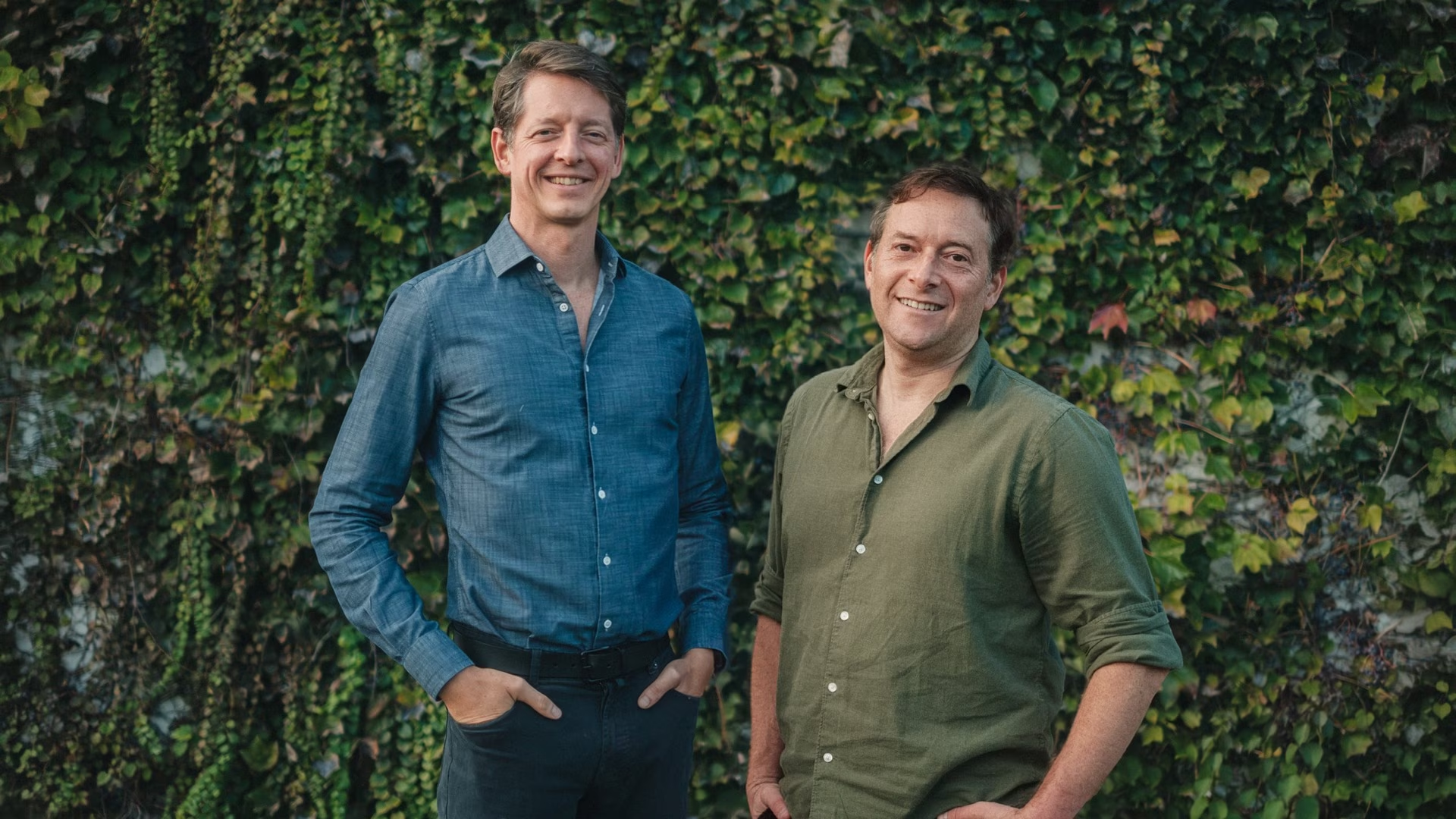
Germany’s former health minister Karl Lauterbach has said that curing cancer, Alzheimer’s and mental illness within ten years is impossible. He was answering Dario Amodei, whose company’s IPO roadshow video says those diseases will be “relics of the past” within a decade.
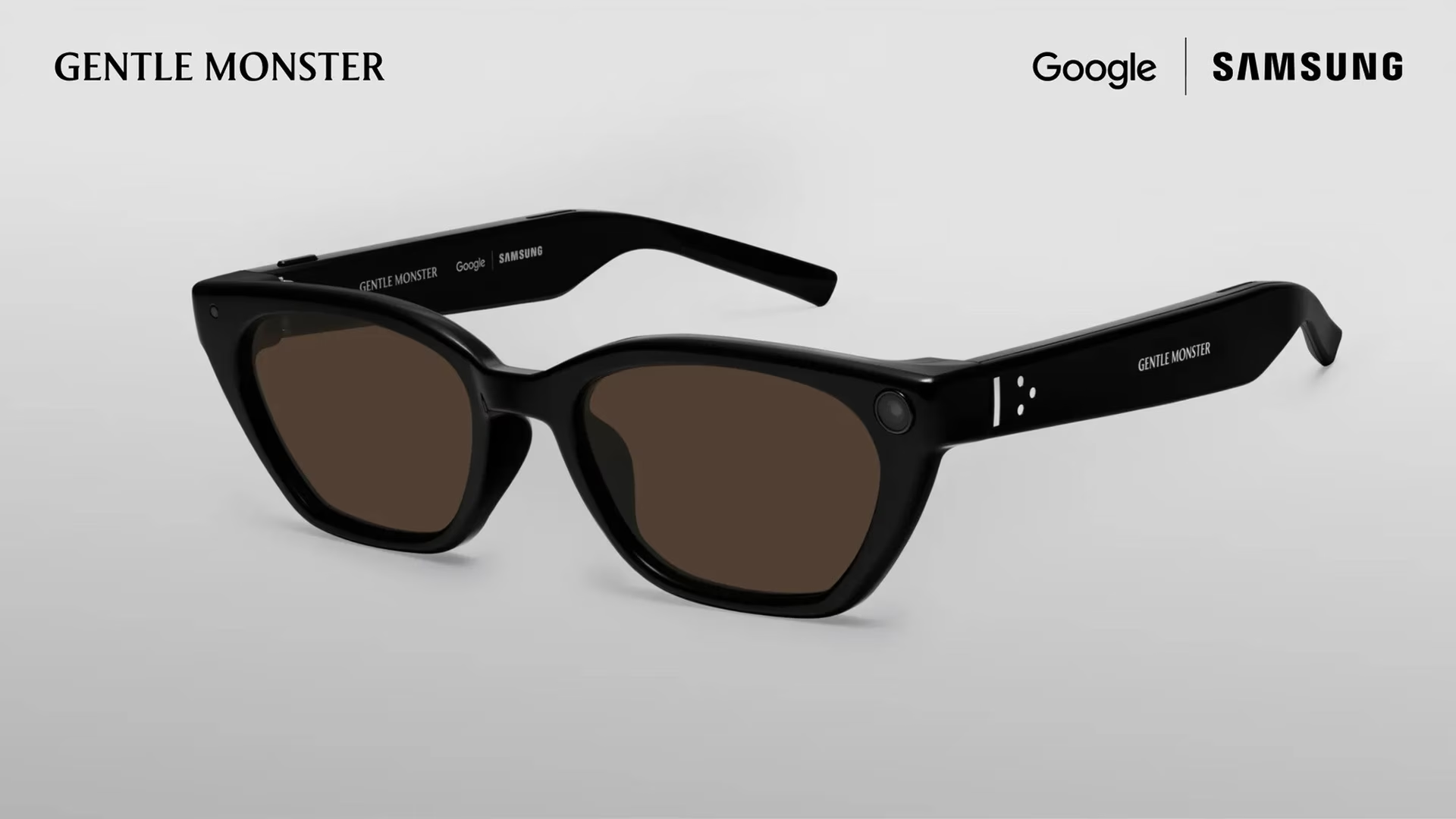
Google and Samsung have opened preorders for their first Gemini smart glasses, made with Warby Parker and Gentle Monster. The nine styles cost $395 to $489, have a 12-megapixel camera and ship on 10 December. Google is stressing privacy features as it takes on Meta.
Anthropic has formally decided that it meets its own threshold for AI dramatically speeding up its research. It based the call on “what we expect from future models and our overall rate of progress,” not on its current models, it wrote in its amended IPO filing on 10 November.
Databricks has made its Genie app for Slack generally available. Staff can ask it data questions in a channel or direct message, get charts and approve changes in tools such as Jira. Answers use each asker’s permissions, but are visible to the whole channel by default.
Gama, the French company building ultra-light deployable solar arrays for satellites, has raised a €15M seed round from Transition, Planet A, Draper Associates, and Manta Ray.
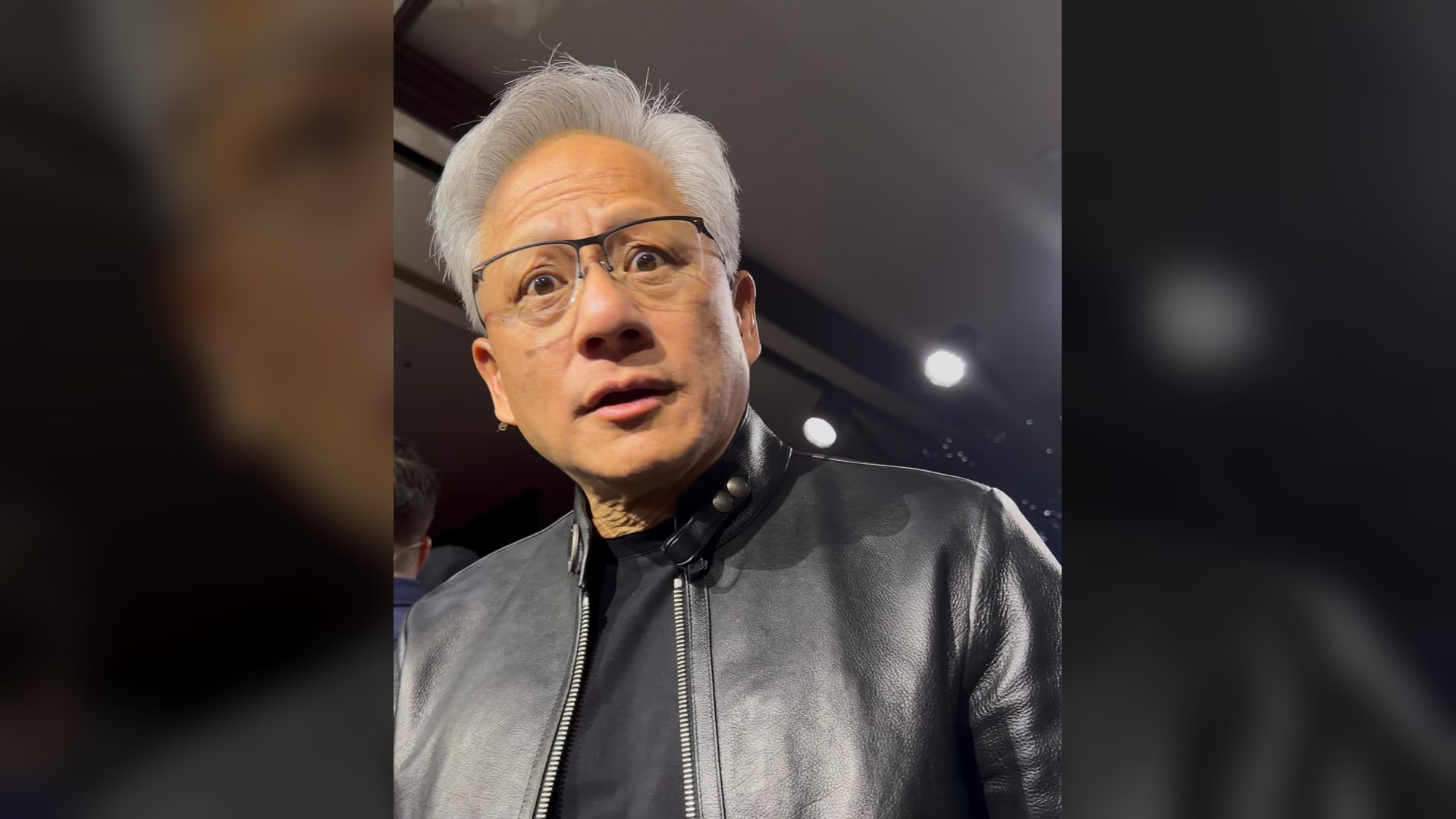
Jensen Huang has resigned as Nvidia’s president, CEO, and board member, effective immediately, the company’s board announced today, ending a 33-year run in which he built the chipmaker he co-founded into the roughly $4T centrepiece of the AI boom.
Nearly one in four vulnerabilities attacked in the first half of 2026 was exploited on or before the day its CVE went public.
NHS England has quietly deleted the webpage listing 137 hospital trusts as “live” with and “realising benefits” from Palantir’s federated data platform, the Guardian reported.
Alphabet is raising about $3.8B through its first-ever Hong Kong and Singapore dollar bonds, according to term sheets seen by Reuters, beating its own target after investors placed more than $7B in orders.
A long lunch with a colleague. A wellness class after work. A weekend away, booked from the sofa before bed. The purchases look ordinary. The money behind them does not.
Cybersecurity teams have spent years trying to close the gap between discovering vulnerabilities and addressing them. Traditional penetration testing remains an important part of security programs. But its periodic nature creates an inherent limitation.
Prince Harry wants tech companies, not parents, to carry the burden of child safety online. He told the European Parliament on Tuesday that firms must show that children can use their products safely. He spoke in Brussels at the opening of the Lost Screen Memorial.
Google DeepMind says AI agents have mathematically proved that the code behind Signal’s encryption keeps its main security promises. The lab announced the result on 10 November, together with a new framework called AlphaProof Code and a technical paper.
Skydance will sell HBO Max and Paramount+ as a bundle from early 2027. It also plans to merge the two services’ technology within a year, using AI tools to move faster. The company set out the plan on 9 November with its first results since Paramount bought Warner Bros. Discovery.
SoftBank Group swung to a net loss of ¥1.12tn ($7.1bn) in the July to September quarter. The biggest single hit was a $3.7bn writedown on power equipment for US AI data centres. SoftBank had paid for it in advance, then changed its plans.
Elvis Presley’s music owners and Eminem’s publisher have filed two more lawsuits against Suno, the $5.4bn AI music generator. They join a growing line of rights holders suing Suno. Their complaints spell out two different grievances: the songs, and the voice.
The US Justice Department has sued Lyft over riders with disabilities. It alleges that the ride-hailing company and its drivers routinely refuse to serve them, including blind riders with guide dogs and people who use stowable wheelchairs.
Google’s one judicial win against Brussels may not survive, as an adviser to the EU’s top court said on Thursday that the General Court erred in 2024 when it annulled the company’s €1.49B ($1.7B) AdSense fine, and proposed that the judgment be set aside and the case sent back for a fresh ruling.
Poste Italiane has launched a co-investment fund targeting €600M ($665M) for digital infrastructure projects, including data centres, according to the company’s third-quarter earnings presentation on Thursday.
Adobe has shown 10 research projects at its MAX Sneaks session in Miami Beach. Most of them let creators edit with a brush, a drag or a gesture instead of a typed prompt. Anyone can already try two of them in a new Adobe Labs Playground. Actor Terry Crews hosted the session on Wednesday evening.
65 aktif kaynak
20 Türkçe · 45 İngilizce
Tüm kaynaklar