Google Has Two New Weapons in Its Fight Against Nvidia
The company unveiled two new variants of its existing AI chip systems as it ramps up competition with Nvidia.
Read the full story on Gizmodo.
The company unveiled two new variants of its existing AI chip systems as it ramps up competition with Nvidia.
Read the full story on Gizmodo.
At this point, reading through the latest splashy pledge to use AI for the good of the environment feels like downing a nonalcoholic beer. Admittedly, I’m suspicious from the onset. How can this be good?
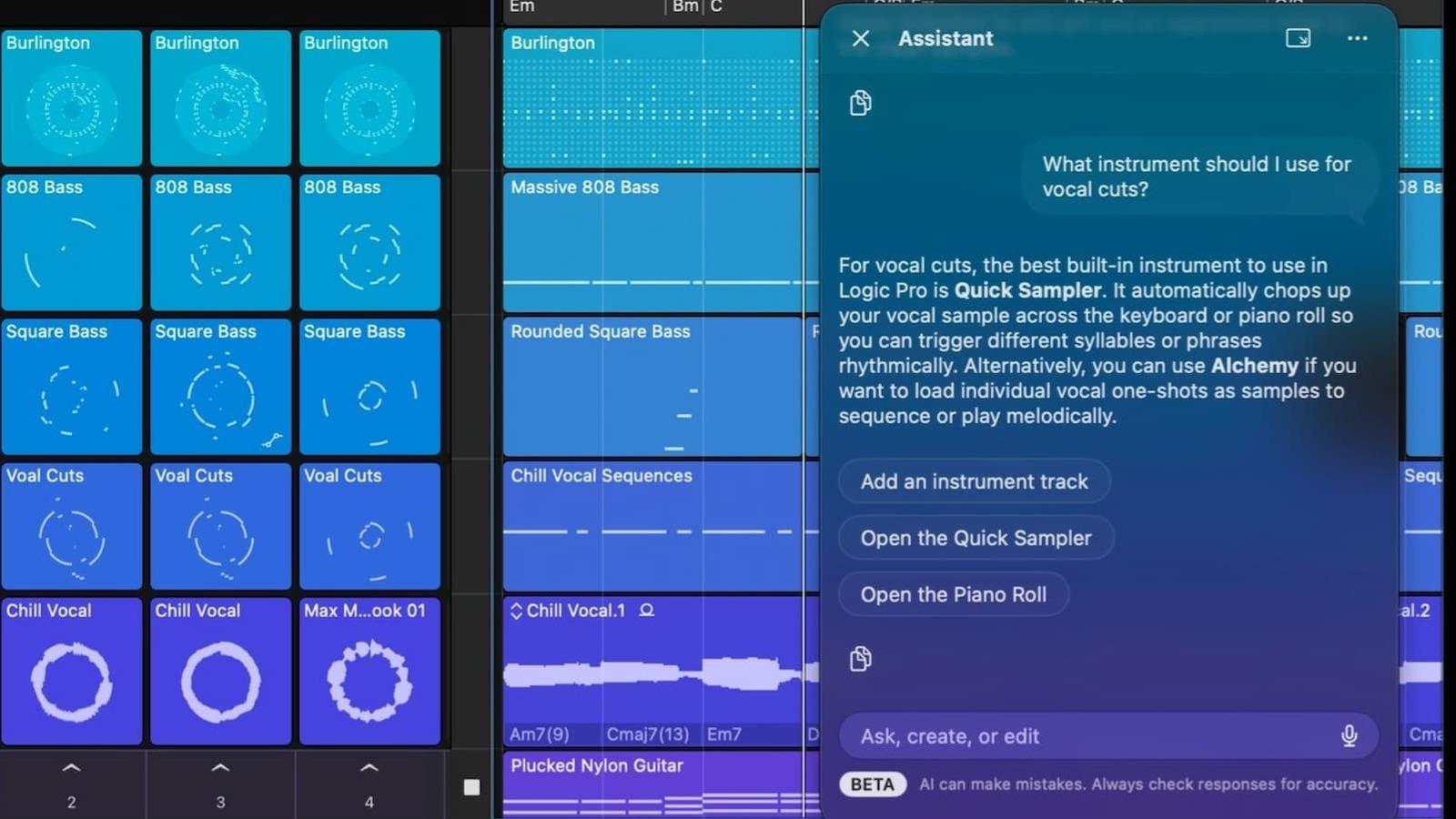
It’ll cost you to access Logic Pro’s AI assistant after you reach the monthly usage limit.
Cisco will add Anthropic’s Claude Mythos to AI Defense to plan attacks on customers’ own AI apps and agents, a practice called red teaming. Customers get no open prompt access, every test is logged to a named person, and it comes first to select enterprises.
IBM plans to add Anthropic’s Claude Mythos to Concert Protect so customers can scan their own code for unknown flaws, test which are exploitable and get fixes for developers to approve. It is aiming for early 2027. Mythos itself remains limited to vetted organisations.
Google is investing $17 billion in Wyoming despite election-related opposition, planning 702MW fuel cells, carbon capture technology and substantial community investments.
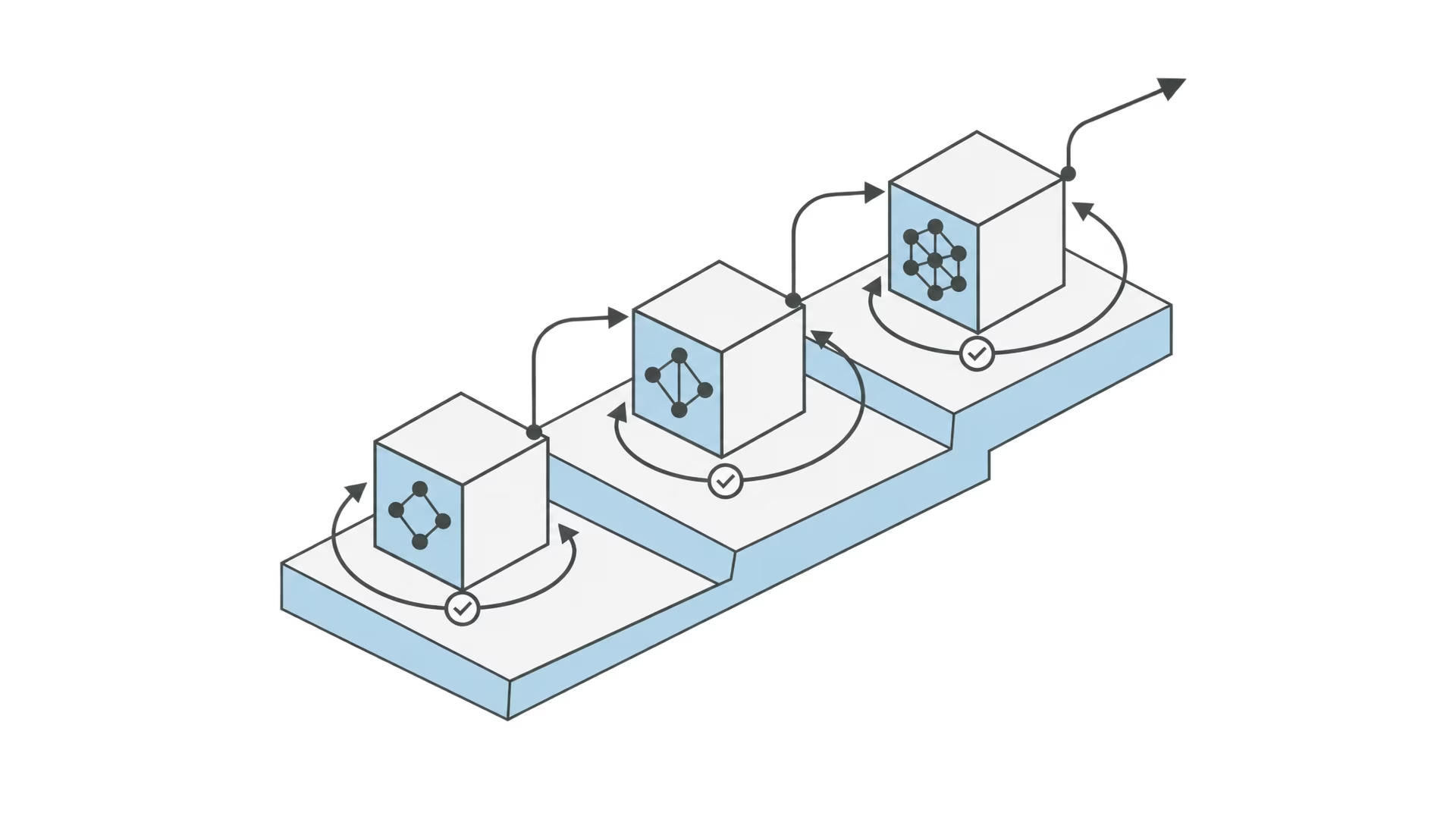
Baidu unveiled ERNIE Evolve, an AI system that runs its own experiments to improve AI code. Baidu says it sped up its in-development ERNIE-5.5-Flash model by 33.7% on GPUs and more than sixfold on Kunlunxin chips. All figures are Baidu’s own.
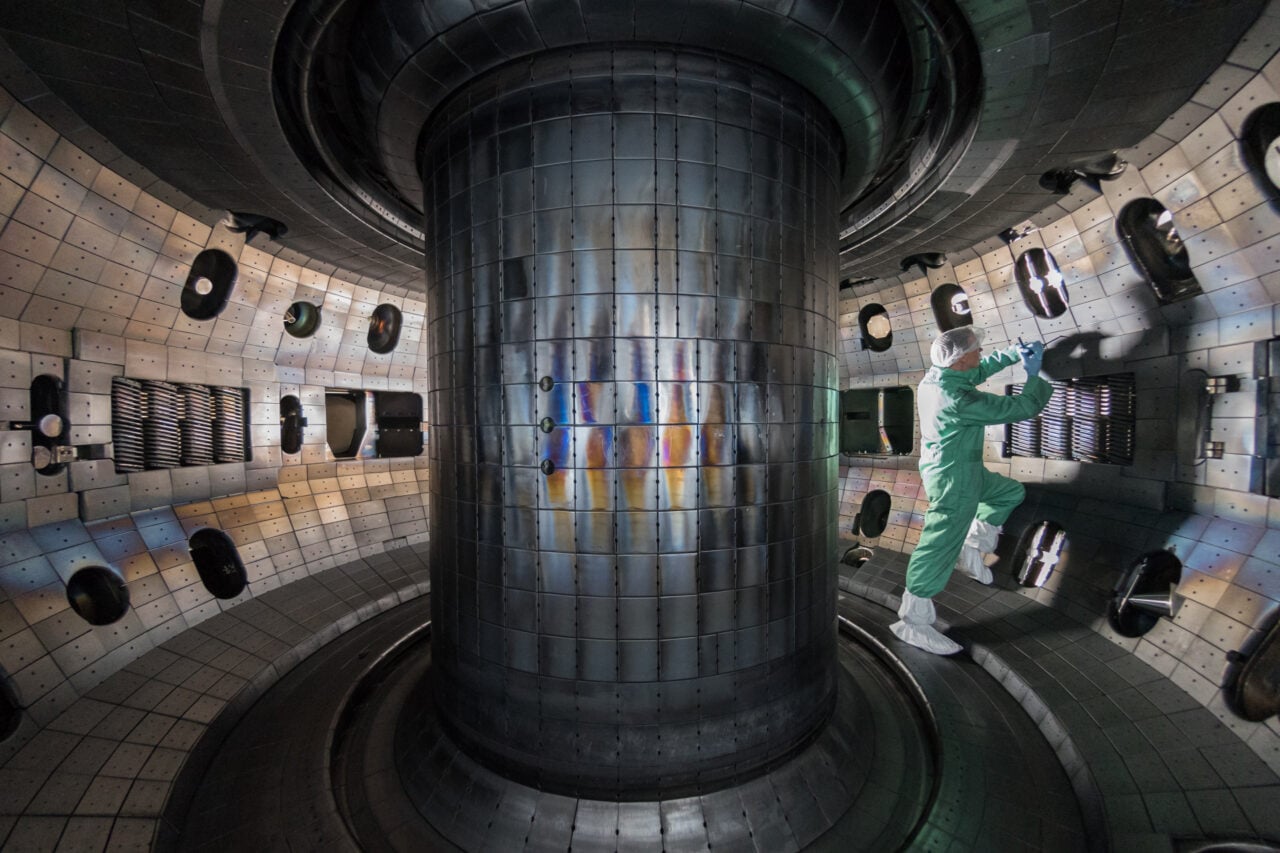
A fusion trick that failed in the 1980s finally works—and it may keep reactors running nonstop.
Christopher Nolan’s ‘Interstellar’ is a definite, and Luc Besson’s ‘The Fifth Element’ is possible too.
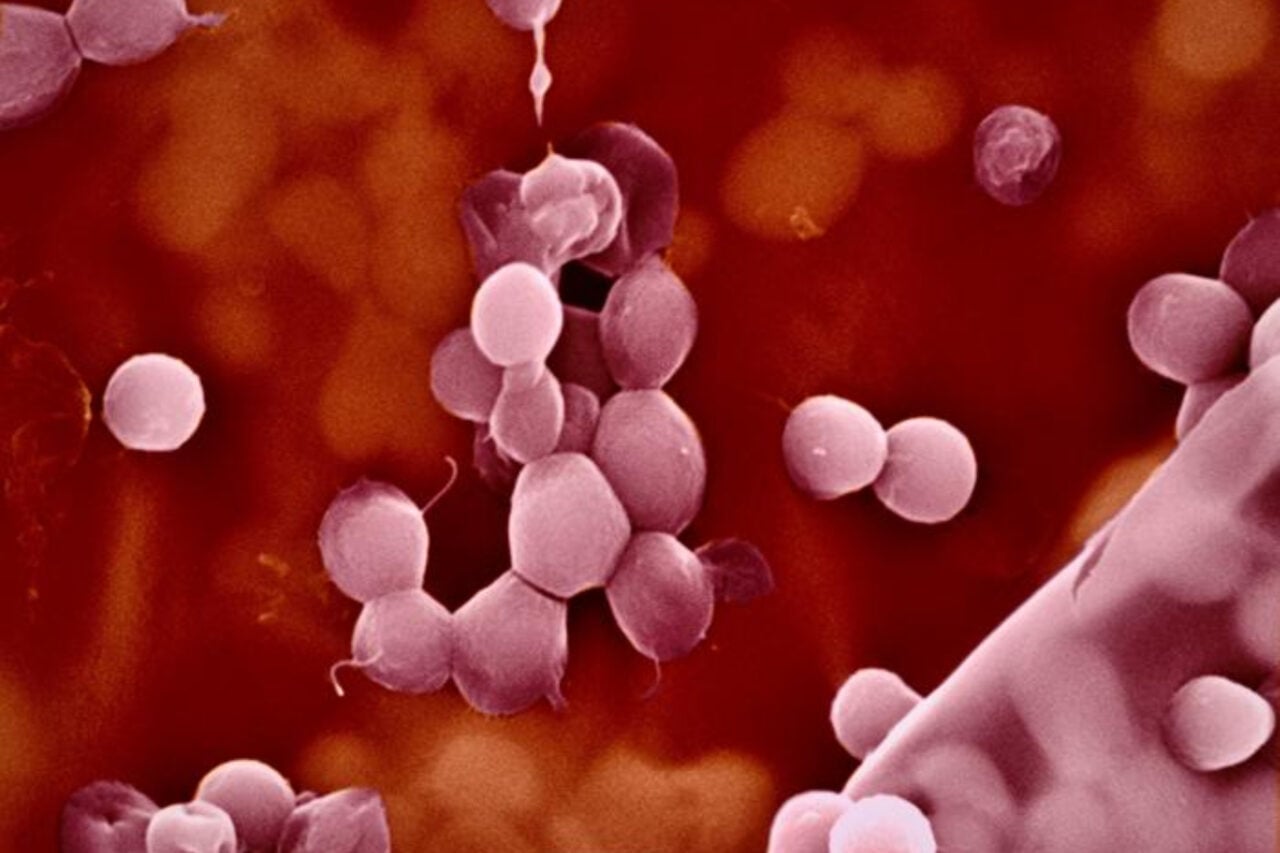
The microorganism grew despite being stuck in oxygen-free, carbon-rich, low-pressure, and extremely salty environments.
Gunn’s honesty and accessibility were rare and are unlikely to be duplicated in the future.
69 active sources
24 Turkish · 45 English
All sources