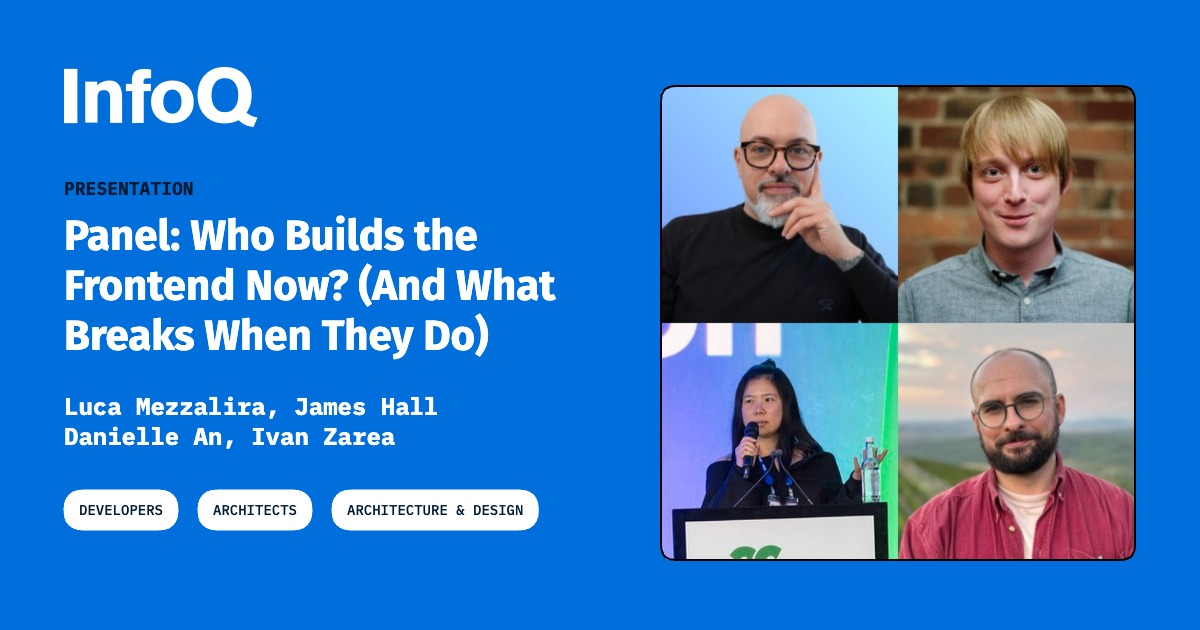
Presentation: Panel: Who Builds the Frontend Now? (And What Breaks When They Do)
The panelists explain how AI tools and vibe coding reshape frontend and mobile engineering.
Read the full story on InfoQ.
The panelists explain how AI tools and vibe coding reshape frontend and mobile engineering.
Read the full story on InfoQ.

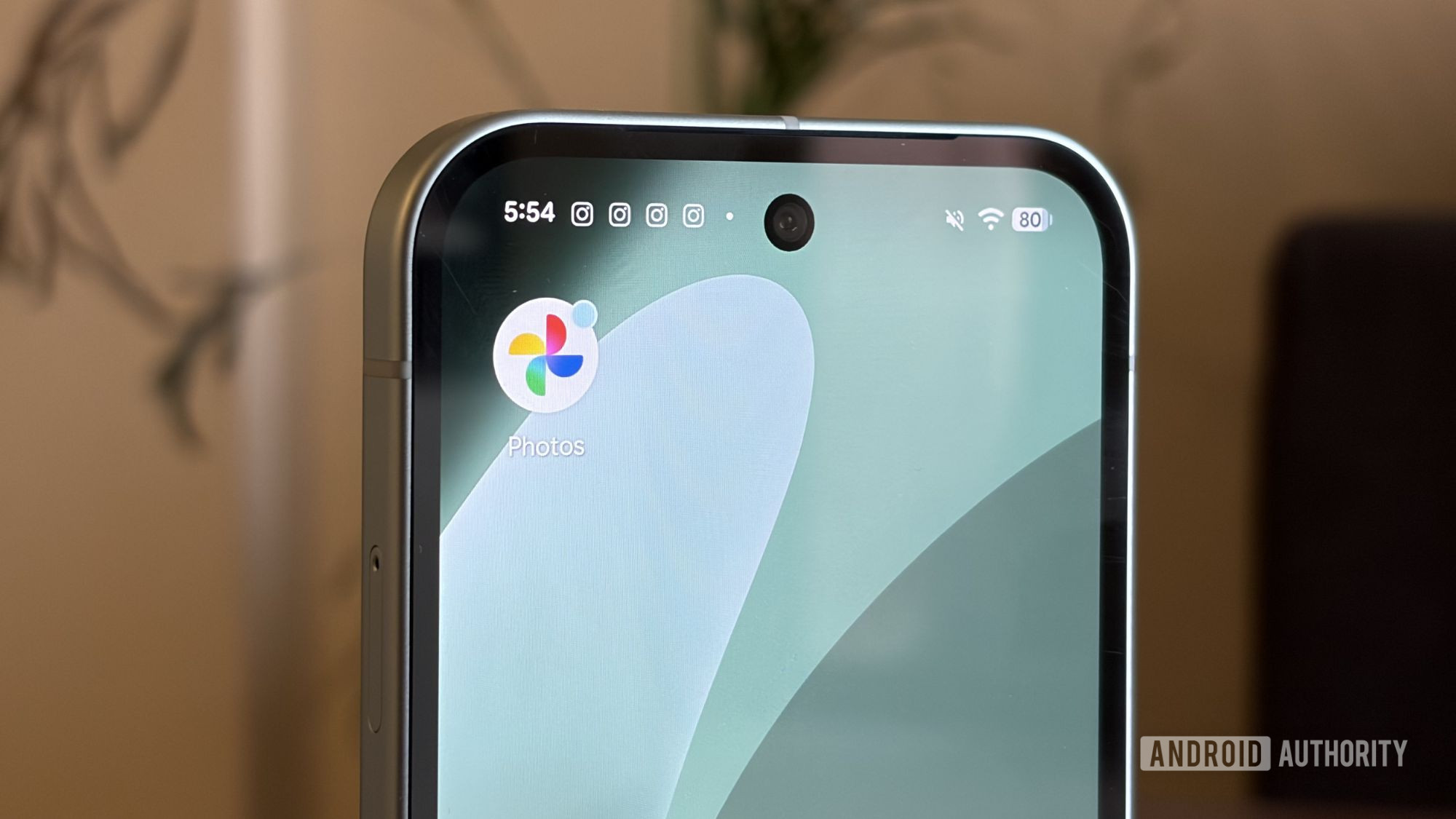
These images show Google Photos’ upcoming backup option that holds off on uploads until night.
Canva is restructuring its operations and reducing its global workforce significantly, affecting hundreds of employees through layoffs and relocation requirements.
Save on gas money without changing how you drive
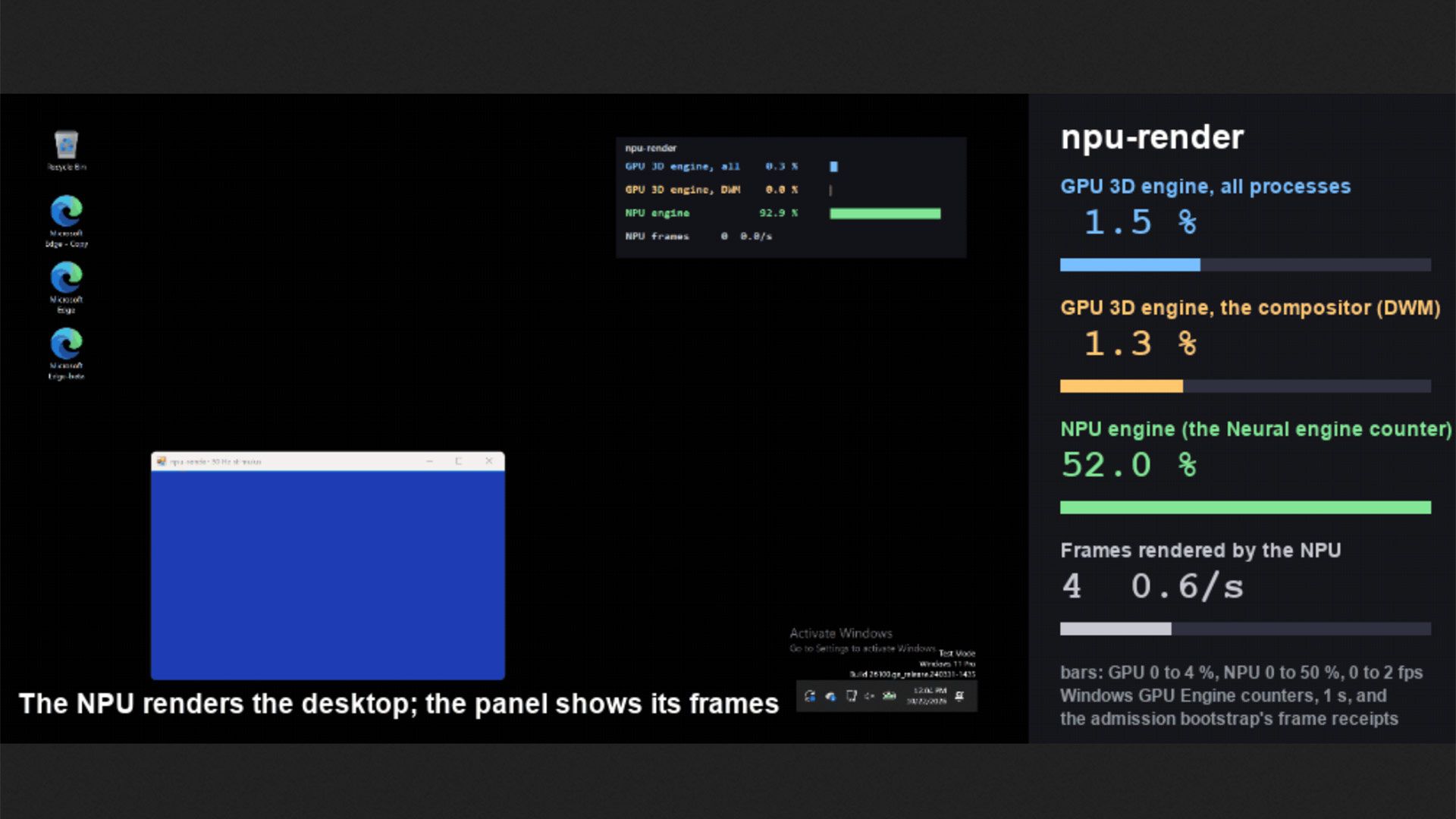
Open source developers have released a prototype driver for Windows 11 that renders the desktop using an NPU instead of the system’s (i)GPU.
The Photos app is developing four new customizable effects in the image editing interface.
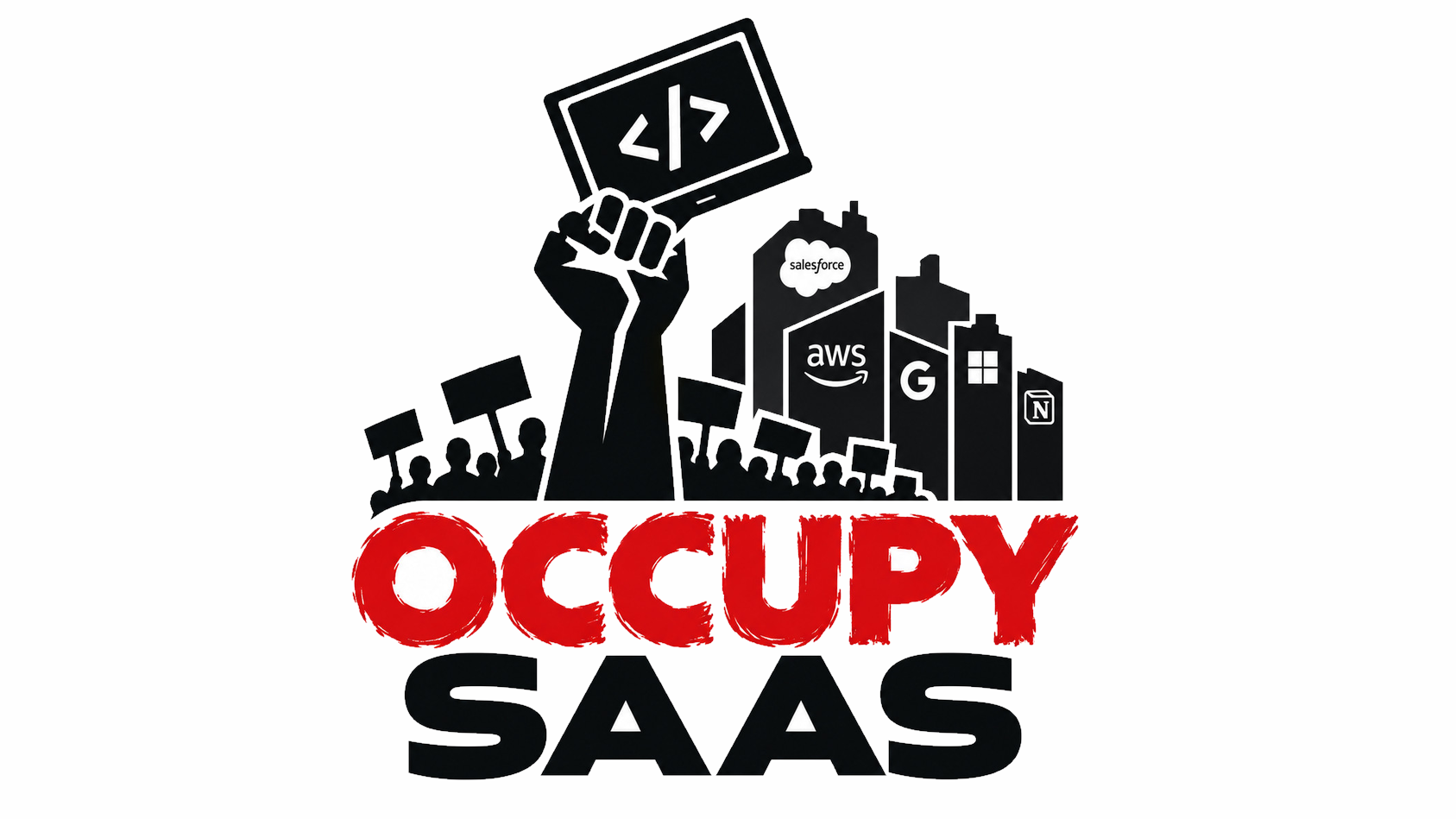
OccupySaaS AI-powered project wants to kick Auth0, Salesforce, and other pricy service-as-software to the curb
Docker has published a guide to five security risks that arise when AI agents are allowed to browse, run code and call tools with limited human oversight. They argue that the autonomy that makes agents useful also makes conventional application security controls insufficient.
What determines whether your app feels fast, ships often, and stays stable at scale is not the app itself. It is what sits behind it.
Google has introduced the LiteRT Tensor API, a lightweight C++ API that allows developers to build, customize, and optimize machine learning models directly for on-device execution. According to Google, it combines the flexibility of native model authoring with cross-platform portability.
Vitest 5.0 focuses on speed, with reported gains of 8 to 25 percent in most setups and up to 53 percent in VM pools. It adds a vitest doctor command, Browser Mode Trace View, and vi.when. Defaults are stricter: clearMocks is true and unawaited async assertions fail.
69 active sources
24 Turkish · 45 English
All sources