Yazılım
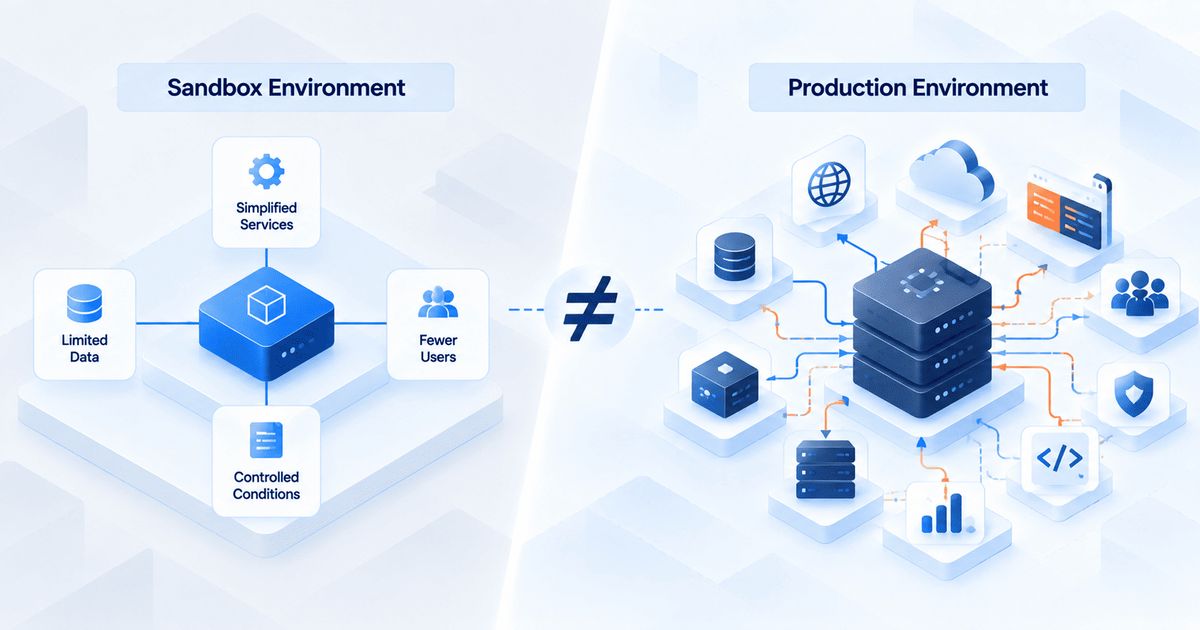
Why Your Sandbox Never Quite Matches Production (And Why That’s Fine)
Sandbox testing works best when you stop chasing production parity. Learn what environment drift actually costs and which parts are worth fixing.
Sandbox testing works best when you stop chasing production parity. Learn what environment drift actually costs and which parts are worth fixing.

Ryan sits down with Josh Triplett, member of the Rust Leadership Team at the Rust Project, to chat about how the borrow checker delivers compile-time memory safety without garbage collection overhead, why Rust consistently ranks as developers’ most loved language by providing psychological safety…
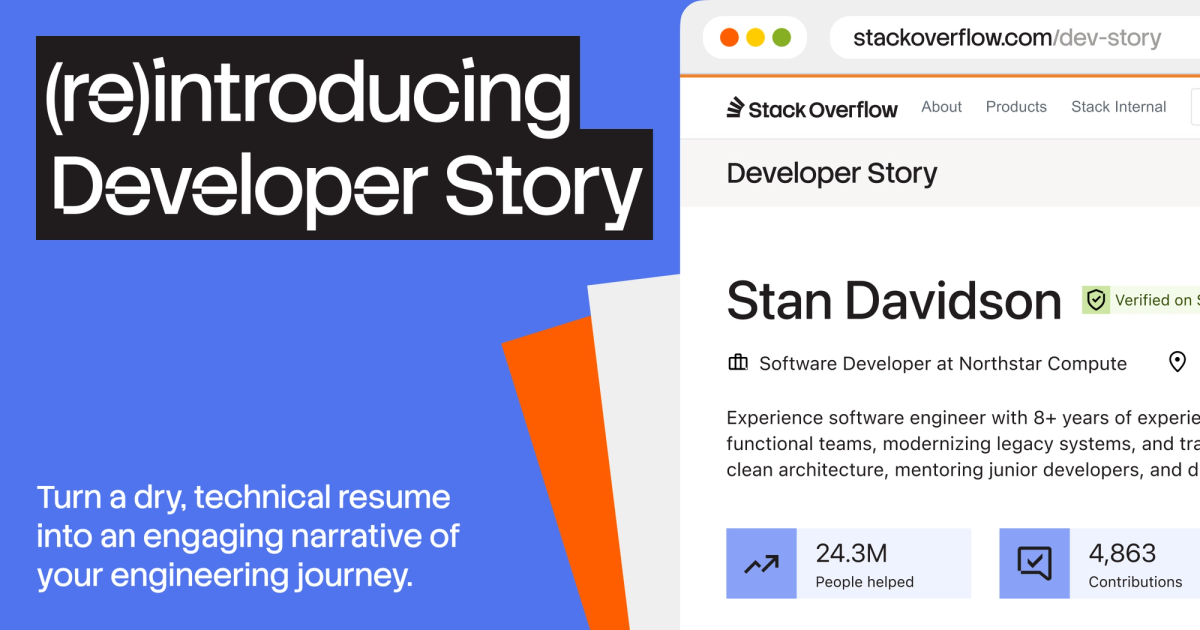
It’s gotten exponentially harder to identify talent that we feel is a good fit for our teams at the top of the application funnel.

Ryan is joined by Yanbing Li, Chief Product Officer at Datadog, to talk about applying observability to non-deterministic AI agents, blurring the boundaries between software development and production workflows, and navigating emerging challenges in AI security and tokenomics.
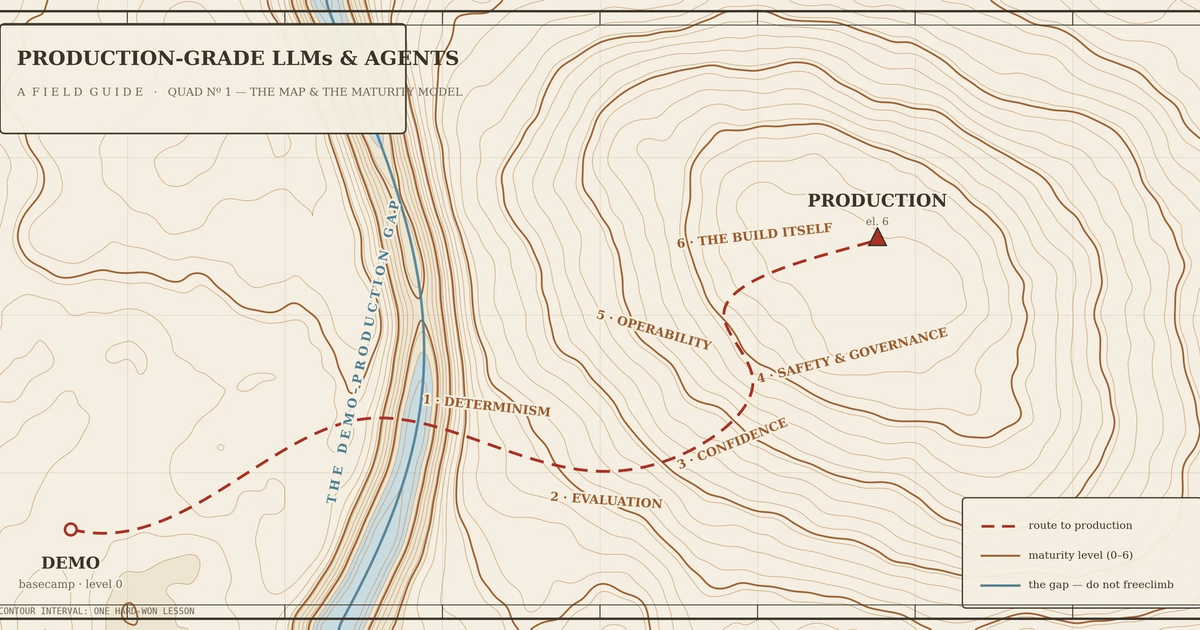
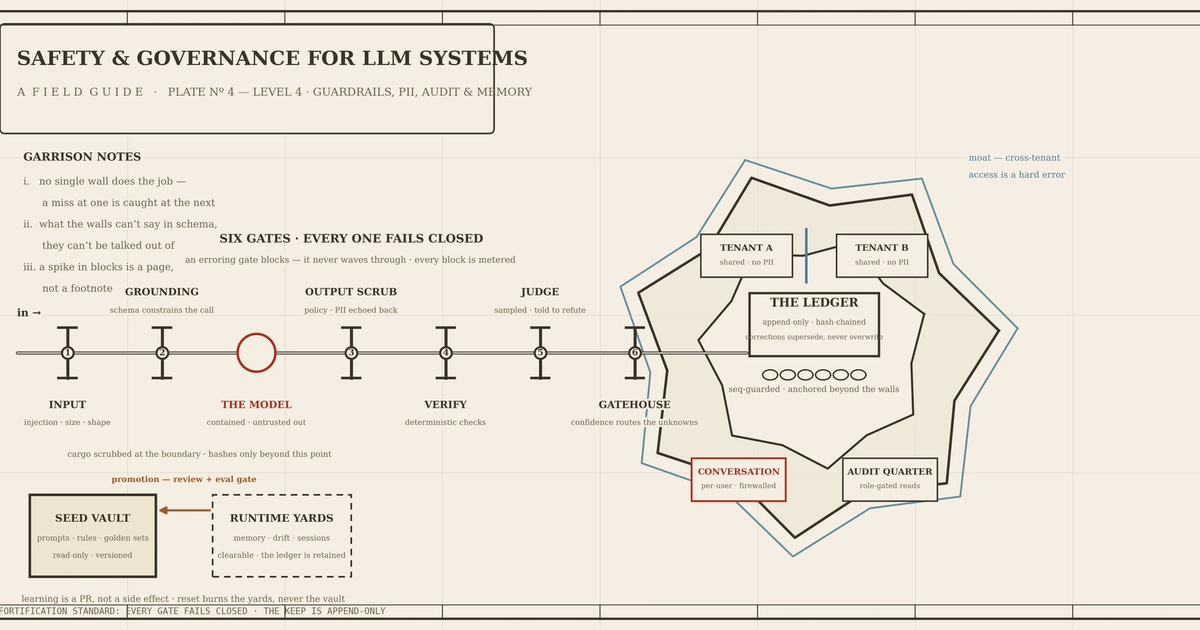
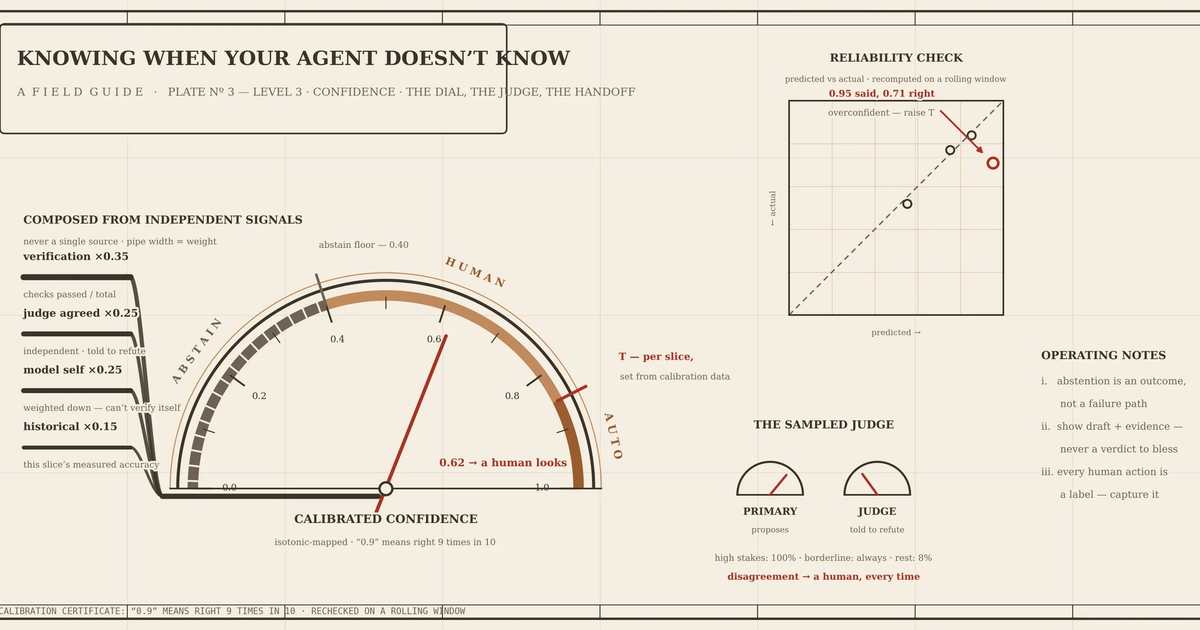
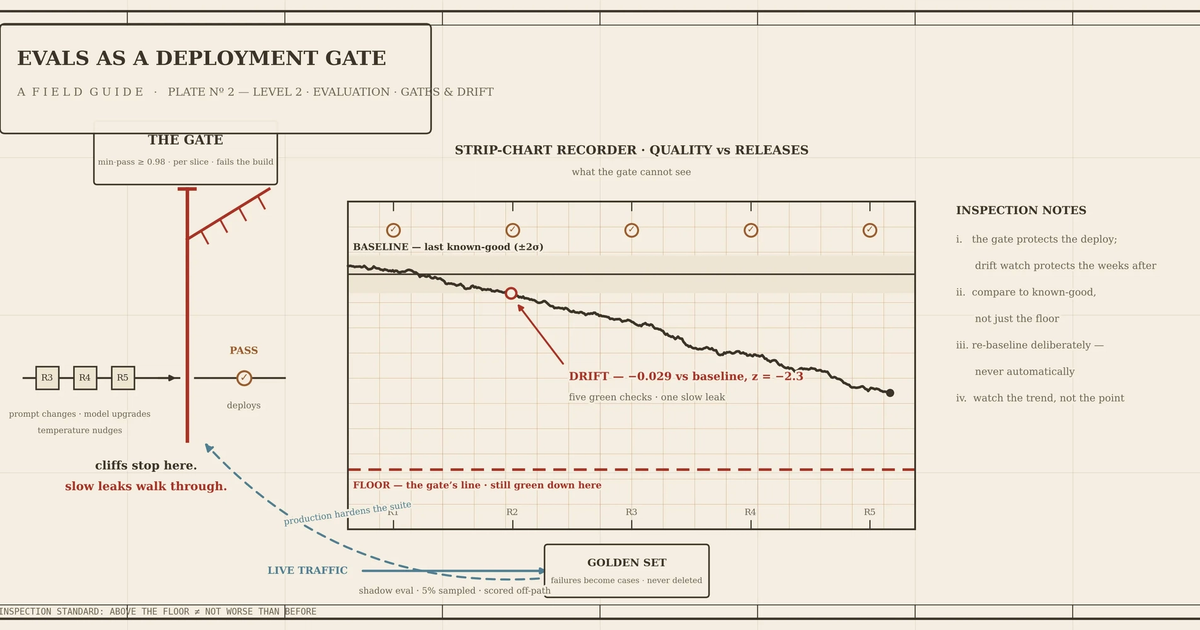
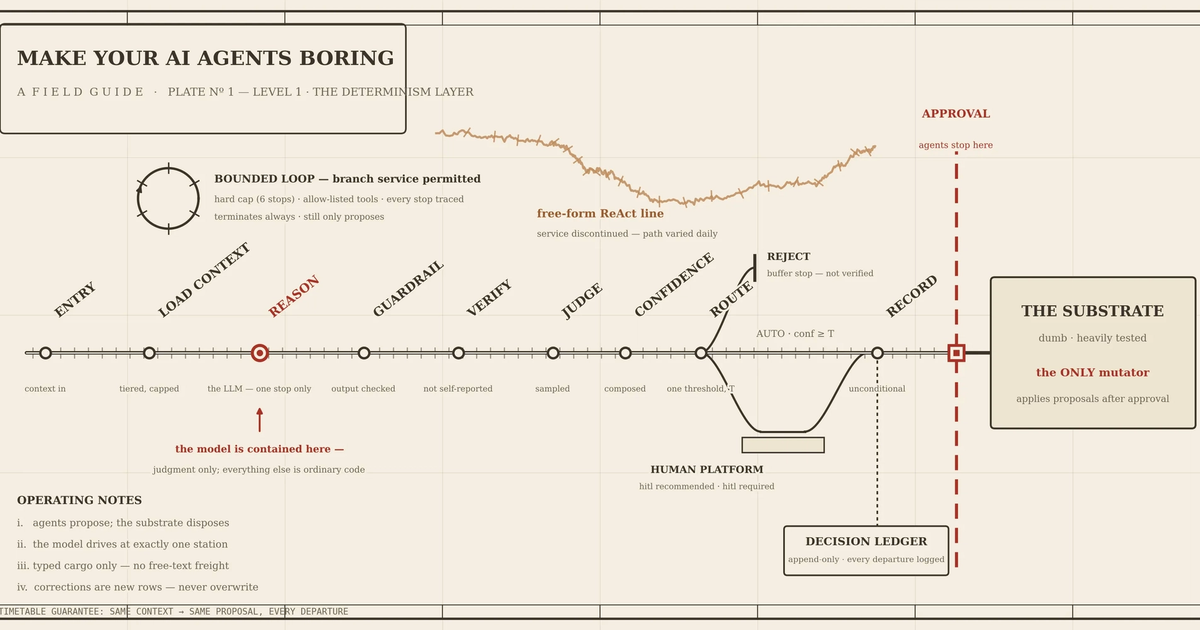
A maturity model for taking agents from an impressive demo to a system people can depend on — with a self-assessment and the map to a deep-dive on each layer.
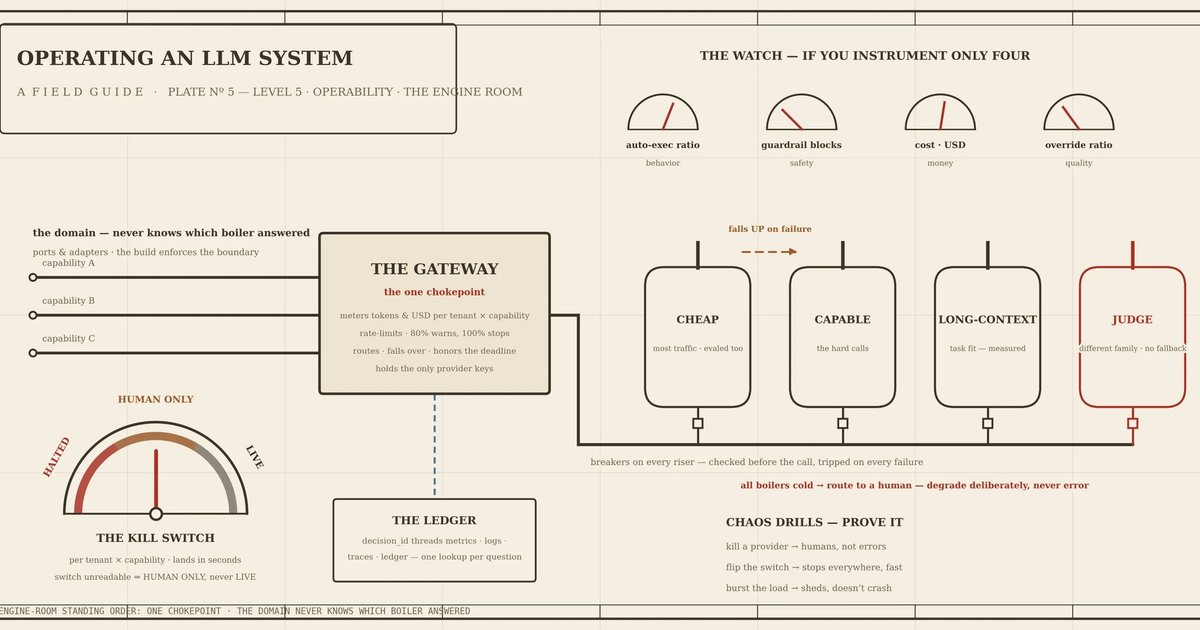
Your service can be 100% up and still quietly approving the wrong things, burning its budget, or failing over into untested quality. Level 5 is the infrastructure that lets you see your decisions, bound your spend, route and fail over between models, kill bad behavior in seconds — and the platform…

Agents don’t build trust for another reason, structurally worse than the first. It isn’t only that the tool keeps changing shape. It’s that the feedback loop you would need in order to learn the tool is broken at the point of measurement.
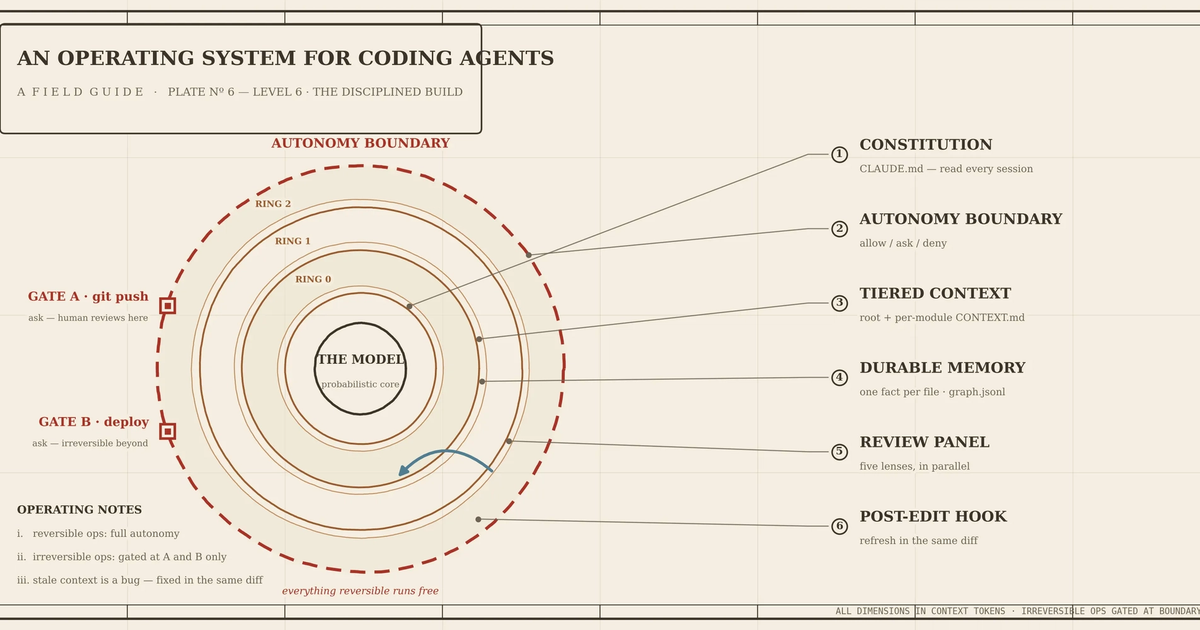
Coding agents are great for an afternoon and mediocre for a quarter. Here’s the small set of files and rules — with the actual configs — that keeps quality from decaying across months and thousands of edits, whether you run one agent or a fleet of them on the same repo.
Ryan chats with Erin Yepis, Senior Analyst at Stack Overflow, about the results from this year’s Annual Developer Survey, including the overwhelming daily usage of AI coding assistants despite lingering developer trust issues, the critical role of well-organized documentation in providing…
Below, we’ll highlight some of the results we found interesting about what’s going in the life of technologists, their technologies, AI usage, and more.
Ryan chats with Julien Verlaguet, CEO at Skip Labs, about finding the balance between human tolerance and tooling constraints, the spectrum of typed programming languages, and building cost-effective tooling for AI agents.
This analysis compares the 2024 and 2025 Developer Survey data across three connected stories: the evolution of AI, humans at work, and demographics and community.
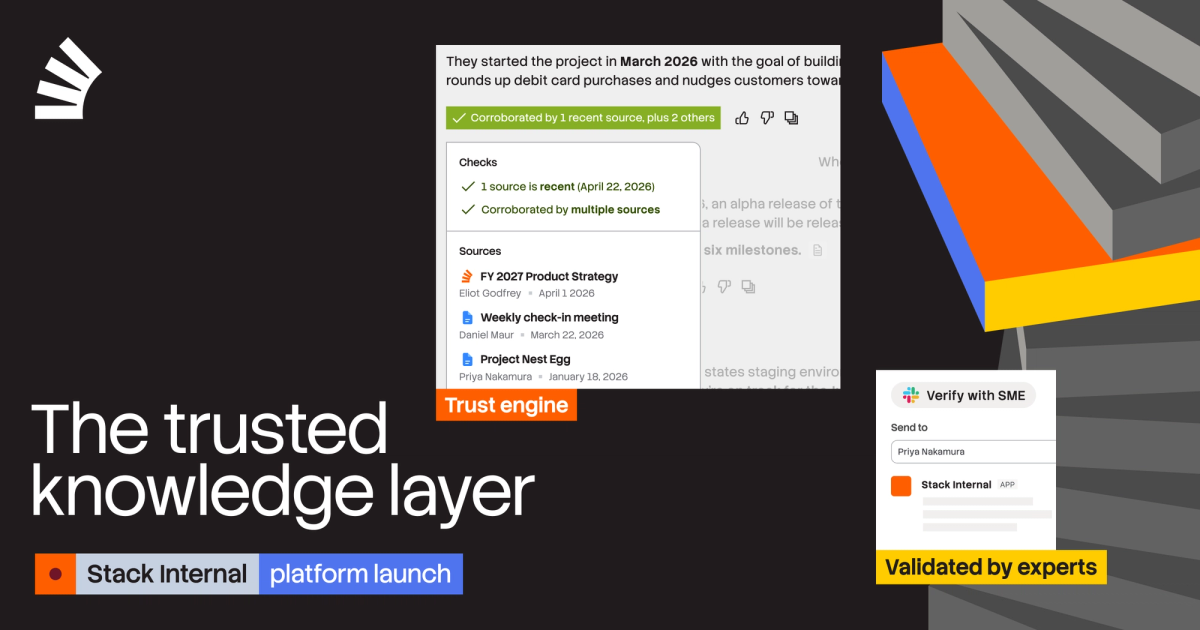
AI can make the first part remarkably fast. It can find the page, the discussion and the person who might know. The harder work begins when those sources disagree, or when they become stale.
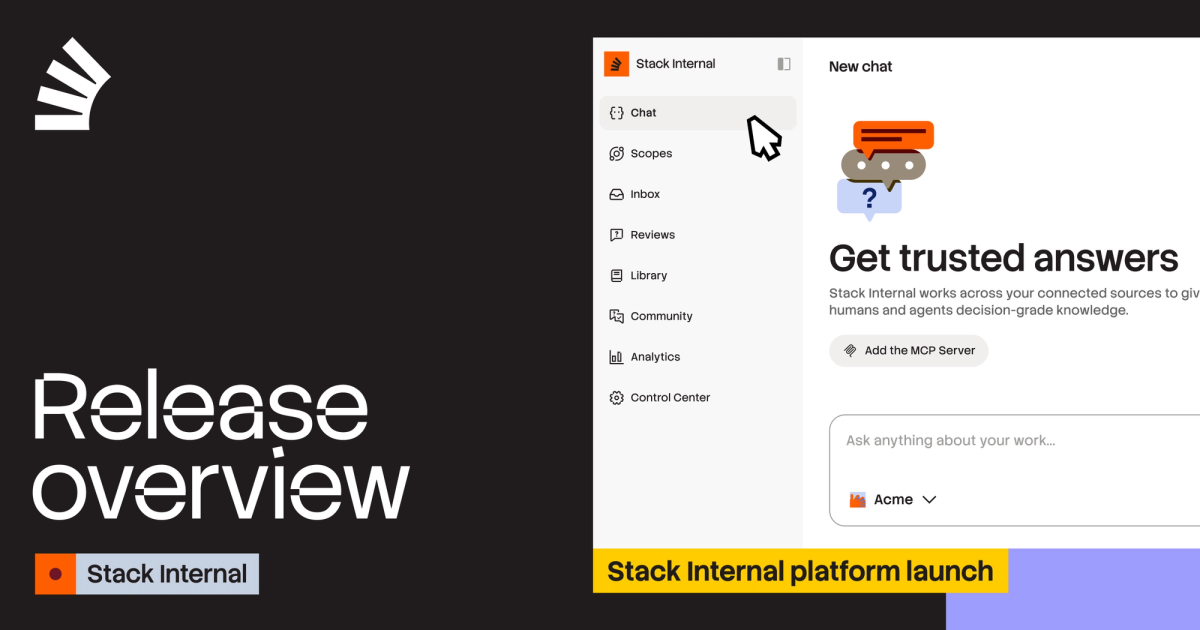
Stack Internal transforms your daily work into a living memory that’s shared with the rest of your team. Now anyone can create and share their knowledge in a Stack Internal workspace for free by visiting stackinternal.com.
Ryan sits down with Div Garg, CEO at AGI Inc., to talk about running AI agents entirely on mobile devices, optimizing models for edge computing chips, and building safety mechanisms into autonomous app interactions.
An MLOps workflow for evaluating deploying and rolling back AI applications
72 aktif kaynak
27 Türkçe · 45 İngilizce
Tüm kaynaklar