



Cybersecurity
Chase, Visa, Mastercard confirm third-party cyberattacks that may have exposed customers’ info
First service outages, then data breaches…what’s next?!
First service outages, then data breaches…what’s next?!

Names and emails of some customers may have been compromised, but the bank’s service is unaffected.
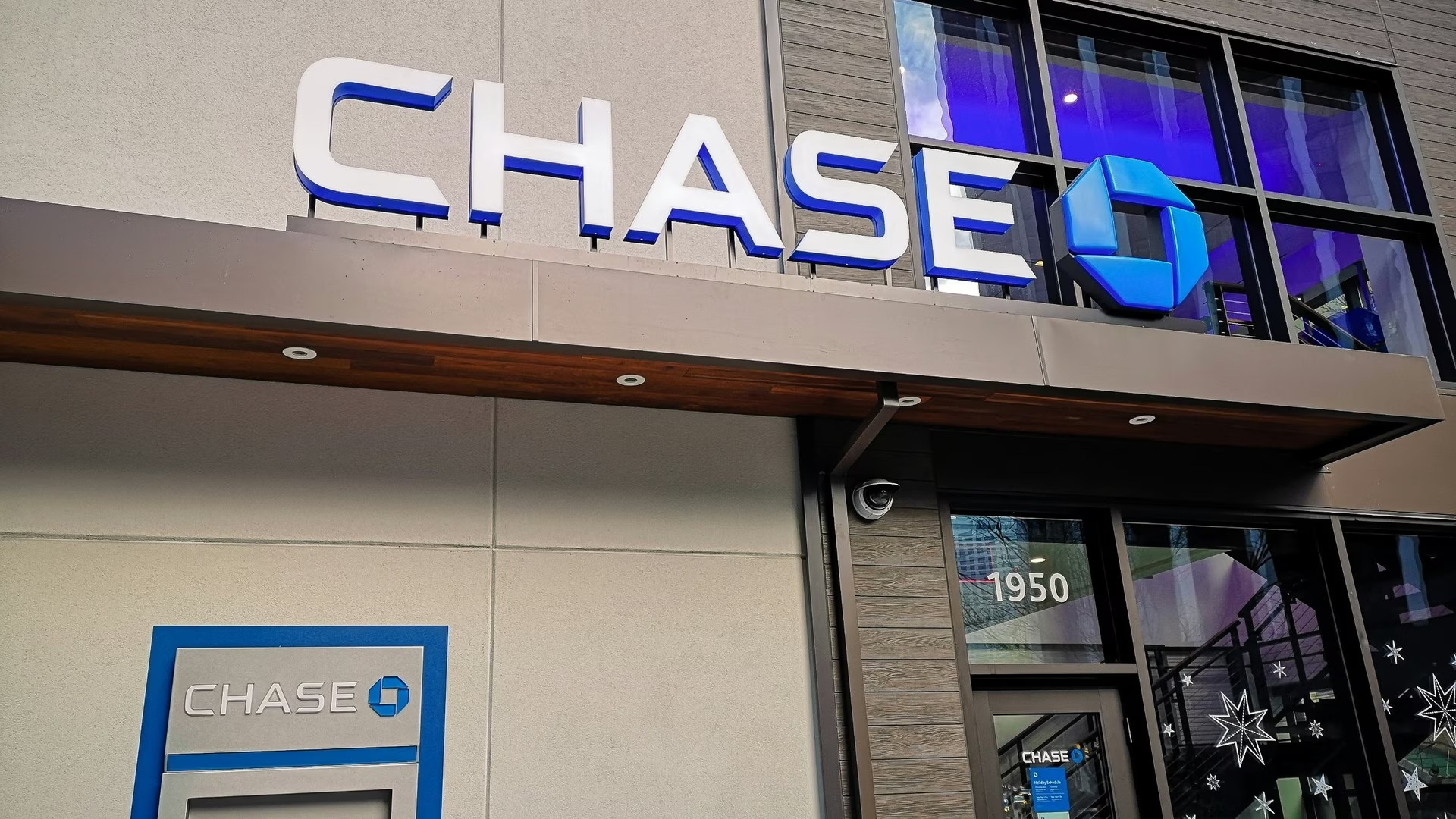
JPMorgan Chase says hackers got into data held by companies that work for the bank, and that it may include some customers’ names and email addresses. Visa and Mastercard have also confirmed incidents at outside providers.

A cyberattack compromised Quantum Systems’ software infrastructure, with malicious Qbase updates reportedly reaching customer servers before detection prevented aircraft infection.

November’s monthly security release patches seven critical PHP flaws that should be addressed ASAP, though experts say exploitability varies and depends heavily on configuration.

This installment of the Reporters’ Notebook video series examines the fallout from recent high-severity flaw disclosures, exploring how fears of AI-assisted exploits trigger widespread panic, operational disruptions, and growing warning fatigue.

Google says a China-linked espionage group exploited a critical VMware vCenter authentication bypass before Broadcom released a patch.

The easiest way to fool someone is to give them something they already expect. A job offer. A message about a service outage. A familiar app. Nothing looks strange at first. And that’s the problem.

Customer data may have been exposed in a cyber attack that impacted Mastercard as well.

Transport for London (TfL) has announced that around 265,000 Oyster photocard customers may have had their account details exposed in a data breach.

Most victims are located in Brazil, with a smaller number in the US and Russia.

Surfshark iOS v5.3.0 adds Call protection against spam and scam calls, following the feature’s earlier arrival on Android. It also adds a Rotating IP timer and requires iOS 17.0 or later.

PHP’s default file-based session storage can be made to return objects an attacker chose, by cutting off a session write at the right moment. When combined with a second weakness, such as a suitable gadget chain in the app, those objects can allow the attacker to run code on the server.

The PHP development team released security updates addressing 18 vulnerabilities, including critical flaws that could allow unauthenticated attackers to remotely execute code on vulnerable servers.

JPMorgan Chase says its third-party vendors suffered a cyberattack, exposing marketing data like customer names and email addresses. The confirmation follows a report from Cybernews, which says a ransomware group leaked email addresses belonging to around 16,000 JPMorgan Chase customers.

Successful exploitation could allow attackers to crash the worker process and execute code with the PHP worker’s privileges.

Norwegian energy giant Equinor says oil and gas production remains unaffected

GTA 6 has arrived on consoles alongside a wave of phishing links, fake PC downloads, and text-based QR traps. Here is how ExpressVPN’s security chief says you can protect your accounts.

The U.K. tribunal’s ruling rejected London’s claim that disclosing the order would be damaging to national security.
Russian hackers are using information stolen from one victim to launch convincing phishing attacks against another.

Staff HR and medical reimbursement systems taken offline as officials investigate whether personal data was compromised

A critical flaw in VMware vCenter lets an attacker with network access bypass authentication and gain unauthorized access to the system, Broadcom, which owns VMware, said in an advisory published today. Fixed versions are out for all supported branches, and the company lists no workaround.

Ransomware attacks often involve credential theft, lateral movement, and attempts to disable security controls long before encryption begins. Acronis examines five warning signs that can help defenders detect intrusions earlier, contain malicious activity, and protect critical systems and backups.
Two critical NGINX vulnerabilities dubbed “nginx2root” allow unauthenticated attackers to execute code remotely on vulnerable web servers, with researchers demonstrating how the flaws can be chained with a Linux kernel bug to gain root access.





65 active sources
20 Turkish · 45 English


