Generative AI Is Erasing Behavioral Tells, Weakening Behavior-Only Detection, Proofpoint Reports
Generative AI has changed what a malicious email looks like.
Read the full story on The Hacker News.
Generative AI has changed what a malicious email looks like.
Read the full story on The Hacker News.
Today, I’m talking to Bill Gates, cofounder and former CEO of Microsoft and chairman of the Gates Foundation.
Claude Duet is available through waitlist for Pro and Max plan users
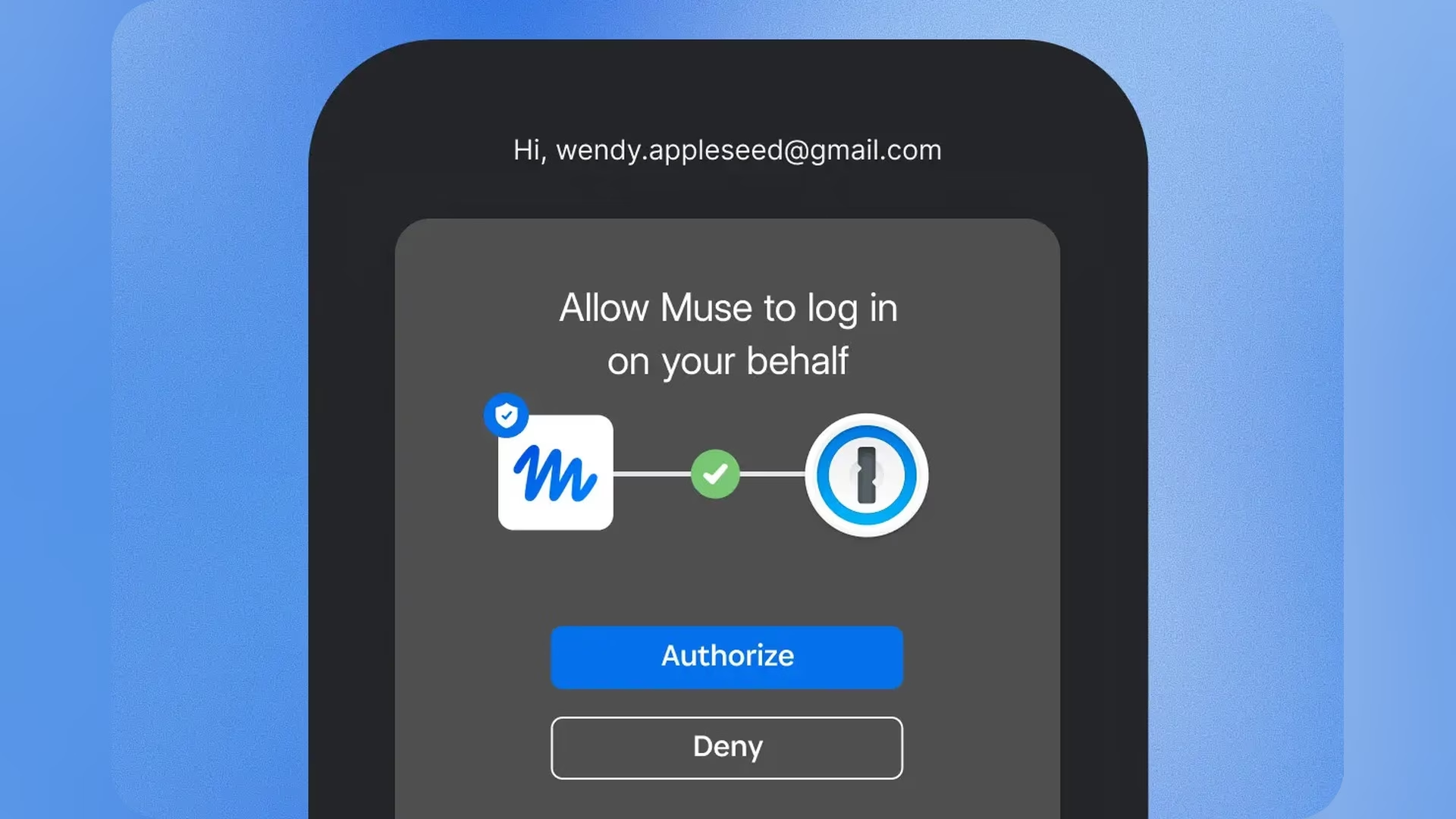
1Password has launched 1Password for Agents, a platform that lets personal AI agents sign in to accounts on a person’s behalf without ever seeing the password. Agents from Meta, OpenAI, Anthropic and SpaceXSI are among the first to plug in, the Toronto-based company said on Thursday.
Microsoft says a China-aligned hacking group used AI agents to breach ConnectWise’s Cloud Backup service, opening a route into customers’ Microsoft 365 accounts. Microsoft Threat Intelligence published its findings on Storm-0940 on October 21.
Google will fund a 1 gigawatt virtual power plant run by Voltus on the PJM grid, to supply capacity for its operations there. The deal adds 1,070 megawatts to the 100 megawatts the two agreed in June, the companies said on Thursday.
Four in five companies admit they’re introducing new tools too quickly, as workers choose to adopt their own preferred tools.
Right now, there is probably an AI agent running on a laptop somewhere in your network. It stores API keys and database passwords, can access your internal systems, and works without anyone watching. Nobody reviewed its access. Nobody owns it.
Platform-as-a-Service (PaaS) provider Railway on Wednesday disclosed “anomalous activity” related to systems that store customer environment variables.
A flaw in the OpenCode AI coding agent allowed a malicious or hijacked MCP server to run code on a developer’s Windows or WSL machine when the developer signed in. OpenCode connects to MCP (Model Context Protocol) servers to add outside tools, and such code would run with the developer’s own access.
LiteLLM on Wednesday disclosed that threat actors compromised “multiple independent security controls” to push a malicious version of the Python package containing a credential stealer and a backdoor.
72 active sources
27 Turkish · 45 English
All sources