


Startups
VCs Are Still Chasing Protein, Even As Fake Meat Falls Out Of Favor
Recent startup investment has shifted away from meat substitutes and toward stuffing more protein into other packaged foods and drinks.
Recent startup investment has shifted away from meat substitutes and toward stuffing more protein into other packaged foods and drinks.

Colombia-based startup, Palomma, has raised $10 million in Series A funding led by Mexican venture firm Cometa to expand its financial services business for landlords, tenants and property managers, Crunchbase News has exclusively learned.

Anthropic is seeking to secure up to $88.5 billion in its planned IPO and a concurrent private placement, potentially making it the largest-ever fundraise tied to a public market debut.

A total of 34 companies joined The Crunchbase Unicorn Board in October, adding more than $96 billion in value and $14.8 billion in total funding to the board. The board also reached a new record of 1,900 private companies last month, along with a new record for the U.S.

AI can help startups reduce patent preparation costs, but DIY applications may overlook critical issues.

More money is pouring into Series A rounds, but it isn’t opening the door to more startups. U.S. companies have raised $42 billion at that stage this year through October, up roughly 60% year over year, while deal counts remain on pace with the past few years, Crunchbase data shows.

AI startups should be judged by durable revenue, full-price renewals and healthy margins after delivery costs, with embedded customer workflows providing stronger defensibility as model access gets cheaper, rather than their paper valuation, writes guest author Ilman Shazhaev, founder and CEO of…

This week brought another plethora of large funding rounds for startups and growth-stage companies. Shield AI, a defense tech player focused on autonomy and virtual simulations, secured the largest financing, bringing in $2 billion.

AI chip startups can challenge the sector’s Goliath’s by building substantially better hardware for emerging inference demands, much as Juniper challenged Cisco with a new architecture suited to the internet’s rapid growth.

October was a busy month for U.S. startup funding, led by well-known venture investors with a healthy appetite for big deals. We take a look at active investor rankings across three categories: lead deal count, largest lead investments and total venture rounds.

Siggy has raised $6 million in pre-seed funding to build a mental health service that uses AI to collect patients’ histories and track progress between appointments with licensed clinicians, the startup told Crunchbase News exclusively.

Dropbox has announced plans to acquire Tigris Data for $350 million in a transaction the company told Crunchbase News would mark its largest acquisition since its founding in 2007.

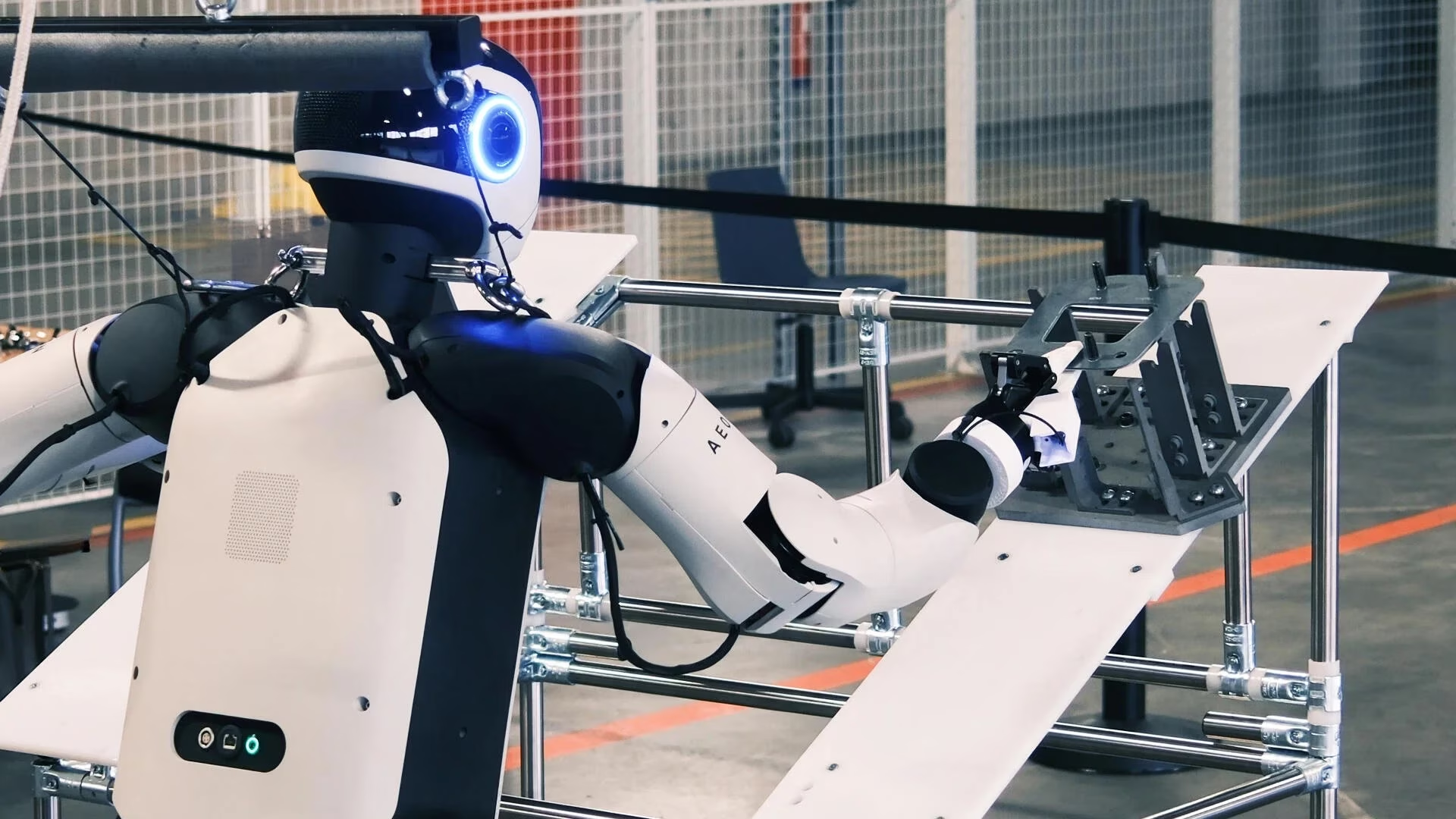
Companies spanning construction and robotics have raised about $1.6 billion so far this year — more than 4x the $389 million recorded in all of 2025 — according to Crunchbase data. The surge was driven by three companies that raised the majority of the funding.
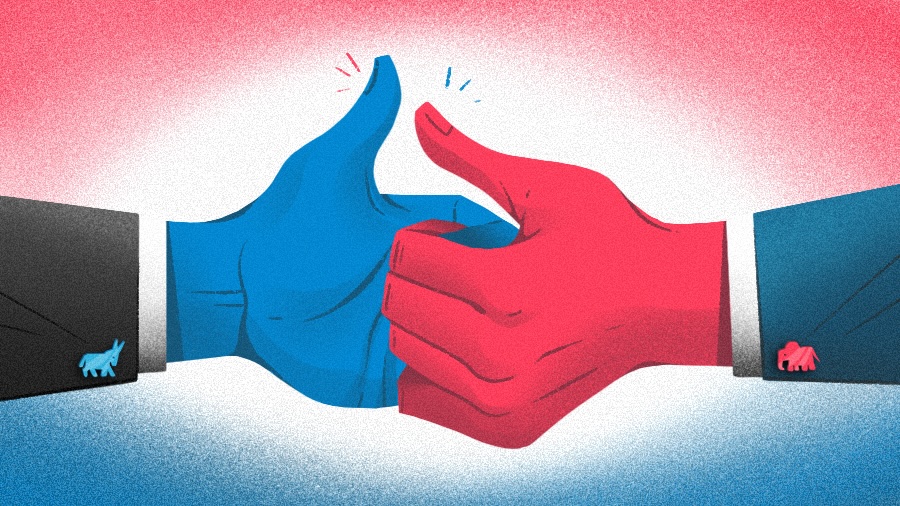
So far this year, less than 2% of all startup investment has gone to companies in post-election red states, a share that is much smaller than in years’ past due to five states shifting to purple in the most recent election.

More than half of all seed- through growth-stage venture capital raised in the U.S. so far in 2026 went to seven companies founded or led by men who are already billionaires. Together, these companies raised more than $260 billion in equity funding in the first 10 months of the year.

Global venture funding in October totaled $59 billion, a 45% jump from a year earlier, per Crunchbase data, in large part due to a record-setting $15.9 billion funding round for China’s DeepSeek.

Record venture funding in 2026 has been increasingly concentrated in massive AI rounds, while seed- and early-stage deal counts are on the decline. Using Crunchbase data we provide a look at how third-quarter funding continued the year’s dollars-up-but-deals-down trend.
This week featured a robust lineup of large rounds, led by manufacturing startup Re:Build, which closed on $2.1 billion, and predictions marketplace Kalshi, which picked up another $1 billion.

Travel demand appears to be holding up, but at the same time, investor appetite for travel tech startups has cooled. Even a wave of startups promising to improve travel with AI hasn’t managed to reverse the funding slowdown. We share what a review of Crunchbase data shows.

Crunchbase data shows that so far this year, investors have poured around $48 billion into financings around the Series B stage, the highest tally in years. Yet round counts are below year-ago levels and are on track for a multiyear low. We take a look at the data.

AI megarounds are masking a shrinking Series A market, leaving seed founders facing higher revenue expectations and longer timelines despite larger seed checks. To improve their chances, MGV’s Marc Schröder says, founders should size their seed funding around Series A milestones.

Numeracle, a McLean, Virginia-based company that verifies businesses and links their identities to the phone numbers they use to contact customers, has raised $28 million from Edison Partners to help businesses whose calls are incorrectly labeled as spam or blocked by phone carriers.

Revenue growth does not guarantee a larger exit, as declining valuation multiples can outweigh operating gains and reduce enterprise value.
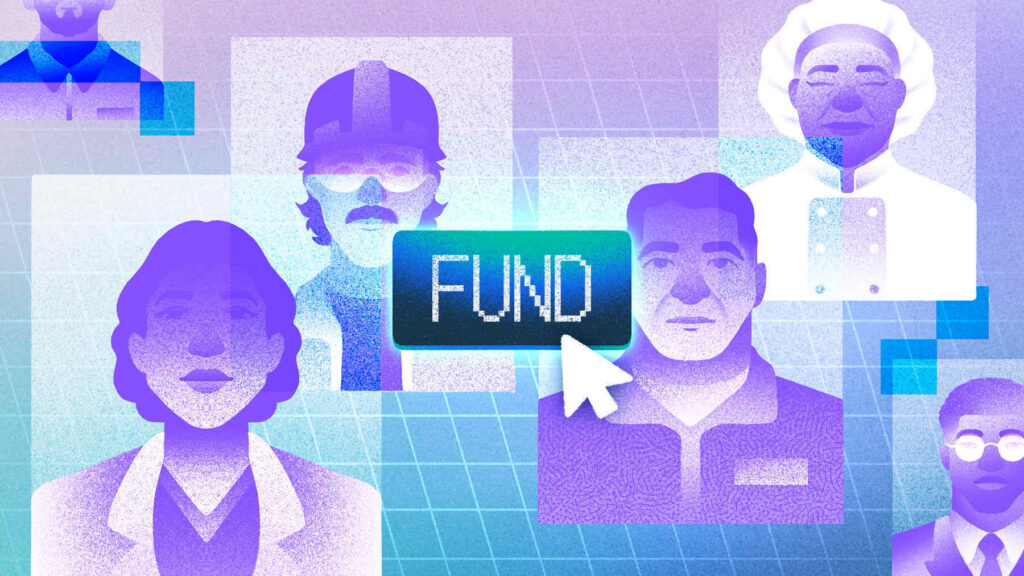
After living as a monk while managing Graves’ disease, a former Facebook engineer left Big Tech to pursue meaningful work, eventually founding government software startup FSH Technologies which aims to improve processes such as school food services and public records management through the use of…

Android Police



65 active sources
20 Turkish · 45 English
All sources


